

JAPAN
This photographic journey captures the diverse essence of Japan, weaving together its deep traditions and contemporary life. From the bustling energy of Tokyo and Yokohama to the tranquil beauty of Kyoto’s ancient temples, each place tells its own story. Kobe reveals a cosmopolitan charm shaped by its port history, while Hiroshima and Nagasaki stand as powerful reminders of resilience and peace. In Kagoshima, volcanic landscapes meet coastal horizons, and in Shimizu, the harbor frames breathtaking views of Mount Fuji. Kanagawa blends seaside escapes with cultural heritage, completing a tapestry of contrasts. Across the sea, Jeju Island and Jeju City in South Korea add their own unique rhythm, with dramatic coastlines and a distinct island culture.
INDICIOS
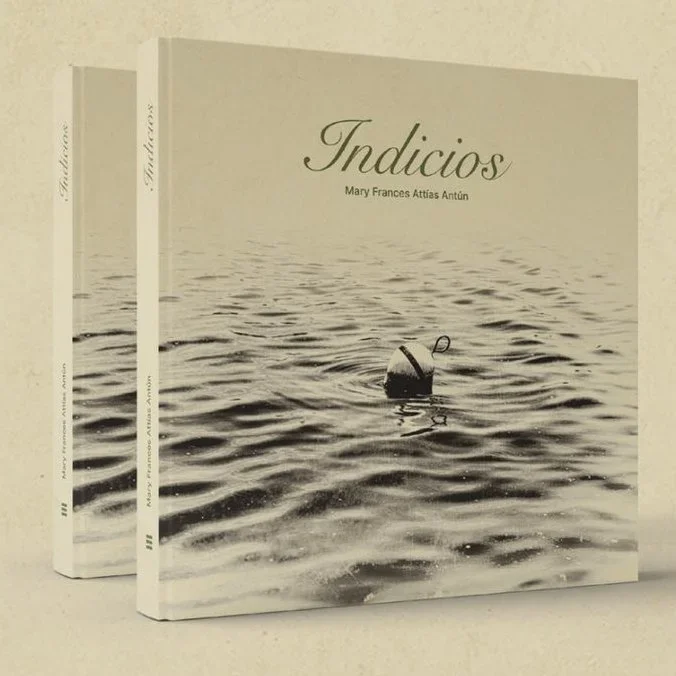
(New BOOK)
INDICIOS is an artist’s book and a visual–emotional journey shaped by mourning, memory, and the intimate reconstruction of an absent life. Following the death of her mother, the author embarks on a deeply personal process that leads her to confront the material, emotional, and symbolic remains of an existence: objects, photographs, documents, everyday gestures, and places that serve as traces of an irretrievable presence.
Through image and text, INDICIOS reflects on the fragility of memory—its ephemeral and treacherous nature—and on the impossibility of fully recovering those we love. Objects do not restore what has been lost, yet they function as signs, clues, and fragments that allow a partial, almost truthful narrative to be woven between absence and remembrance.
The book is also a quiet tribute to a generation of women—anonymous mothers—whose lives, shaped by work, sacrifice, and care, left behind an invisible yet profound legacy. INDICIOS thus unfolds as both an intimate and universal narrative, where personal grief expands into a collective memory marked by displacement, inheritance, and identity.
ARTIST STATEMENT
My work as a visual artist generally explores the relationship between landscape and human presence, addressing universal themes such as fragility, love, and death.
My images seek to pause within the everyday in order to reveal what is invisible: a contained emotion, a farewell, a trace. The camera is, for me, a tool for attentive looking and for transforming reality into something intimate and symbolic. My photographic practice is a way of inhabiting the world with sensitivity and of inviting the viewer to do the same.
The presence of people—whether portrayed, suggested, or absent—is always charged with meaning. I am interested in exploring how we relate to our surroundings and to one another, how we inhabit spaces, and how time, memory, and absence are inscribed in bodies and places. My practice is also a form of resistance to immediacy, an invitation to observe and to feel slowly.
I work with diverse media, ranging from painting and drawing to manipulated photography and installation, always seeking a visual poetics that combines the intimate with the universal. I am interested in work that does not impose a single interpretation, but instead opens a space in which the viewer can recognize themselves, confront themselves, or be moved.
Ultimately, my work is an attempt to understand what makes us human, in both our beauty and our vulnerability. It is a visual meditation on the ephemeral—on what we love and on what we inevitably lose.
Mary Frances Attías
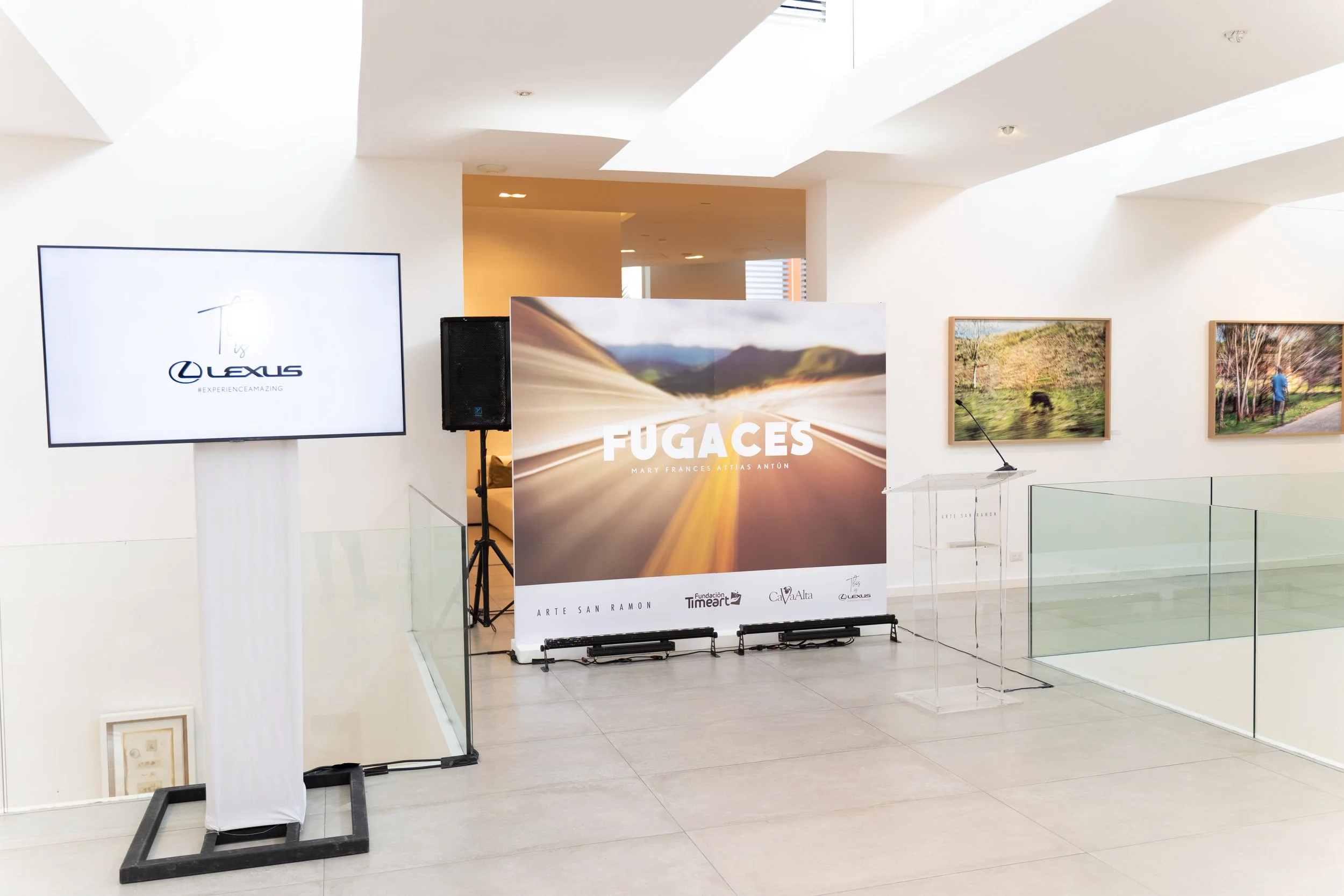
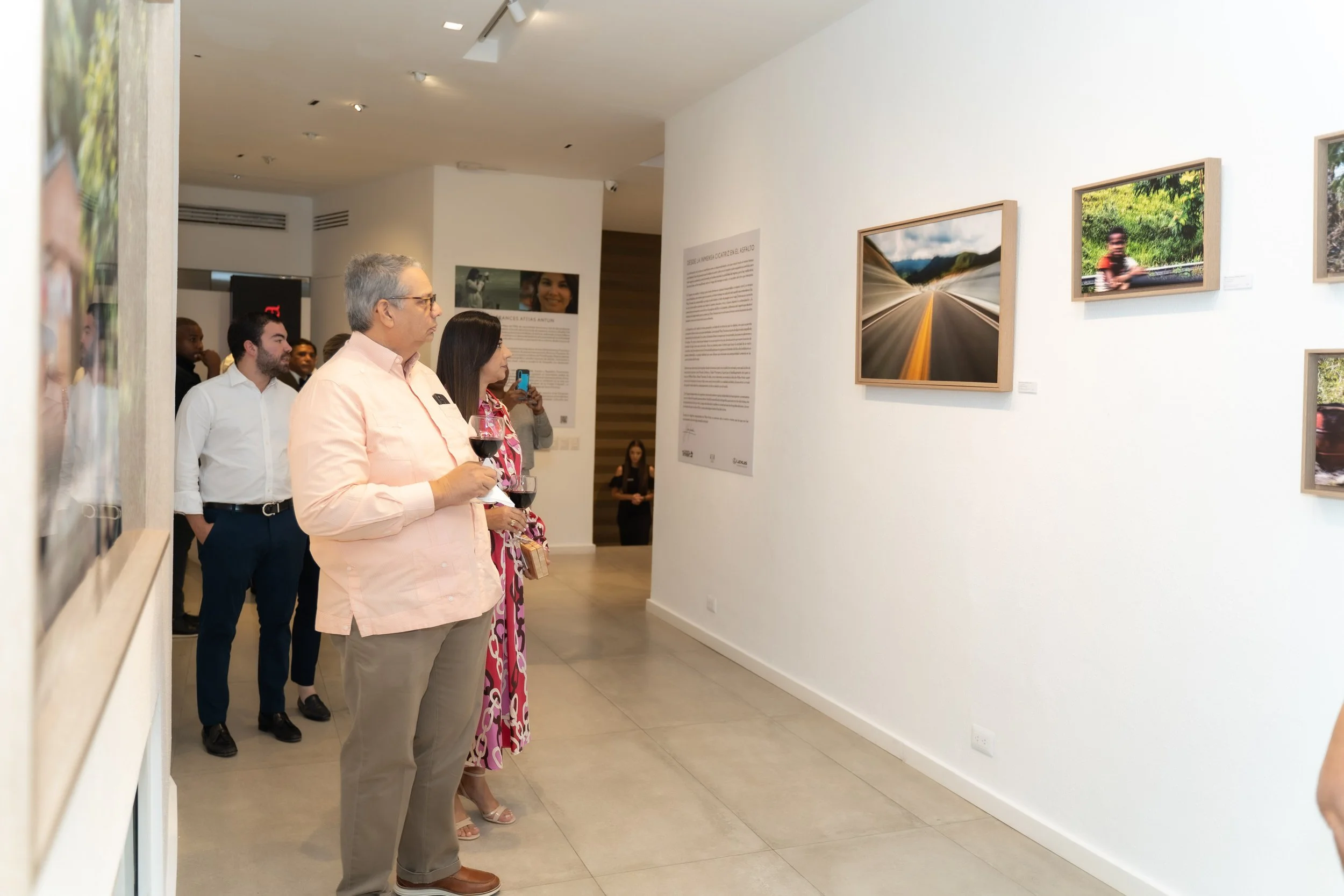
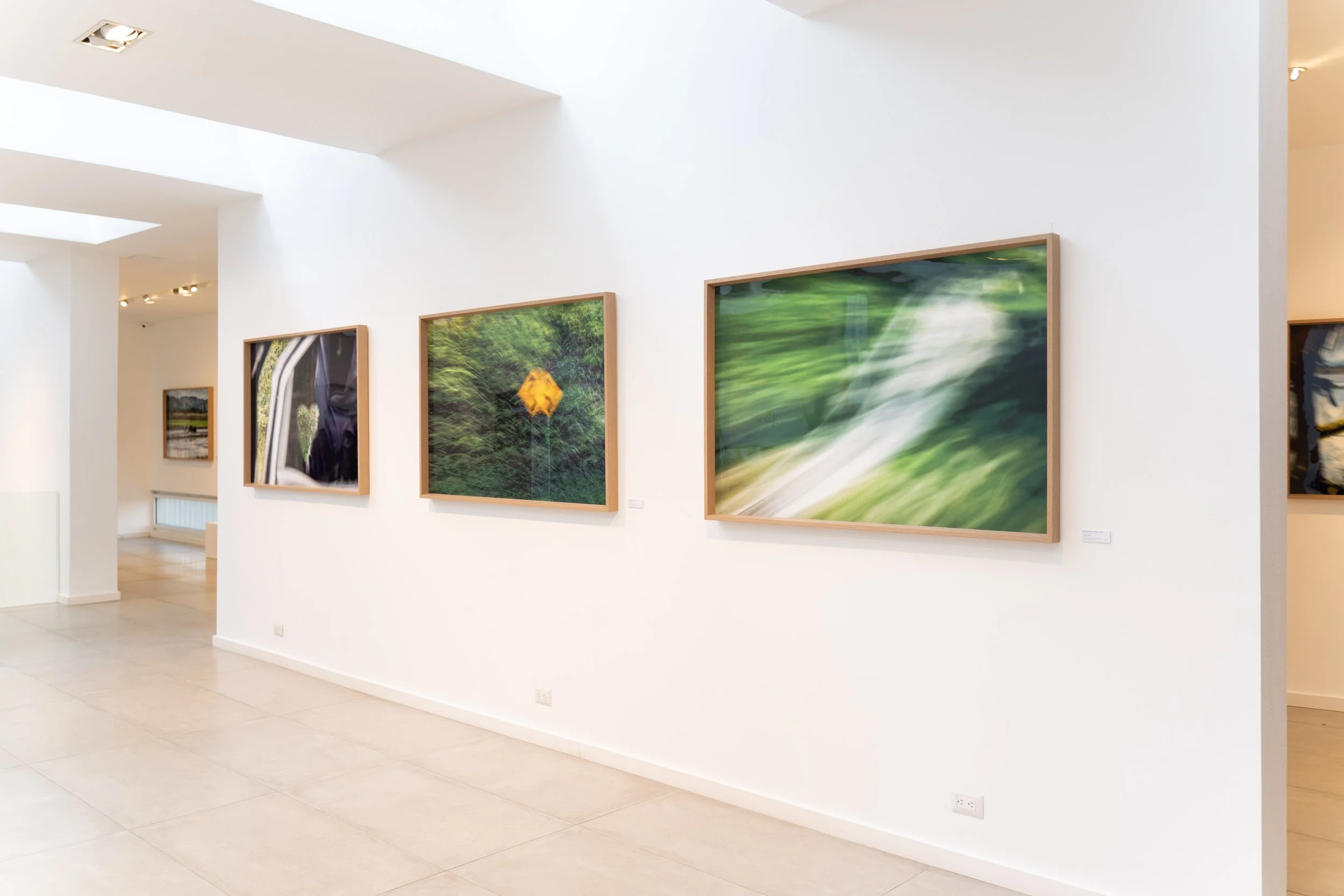
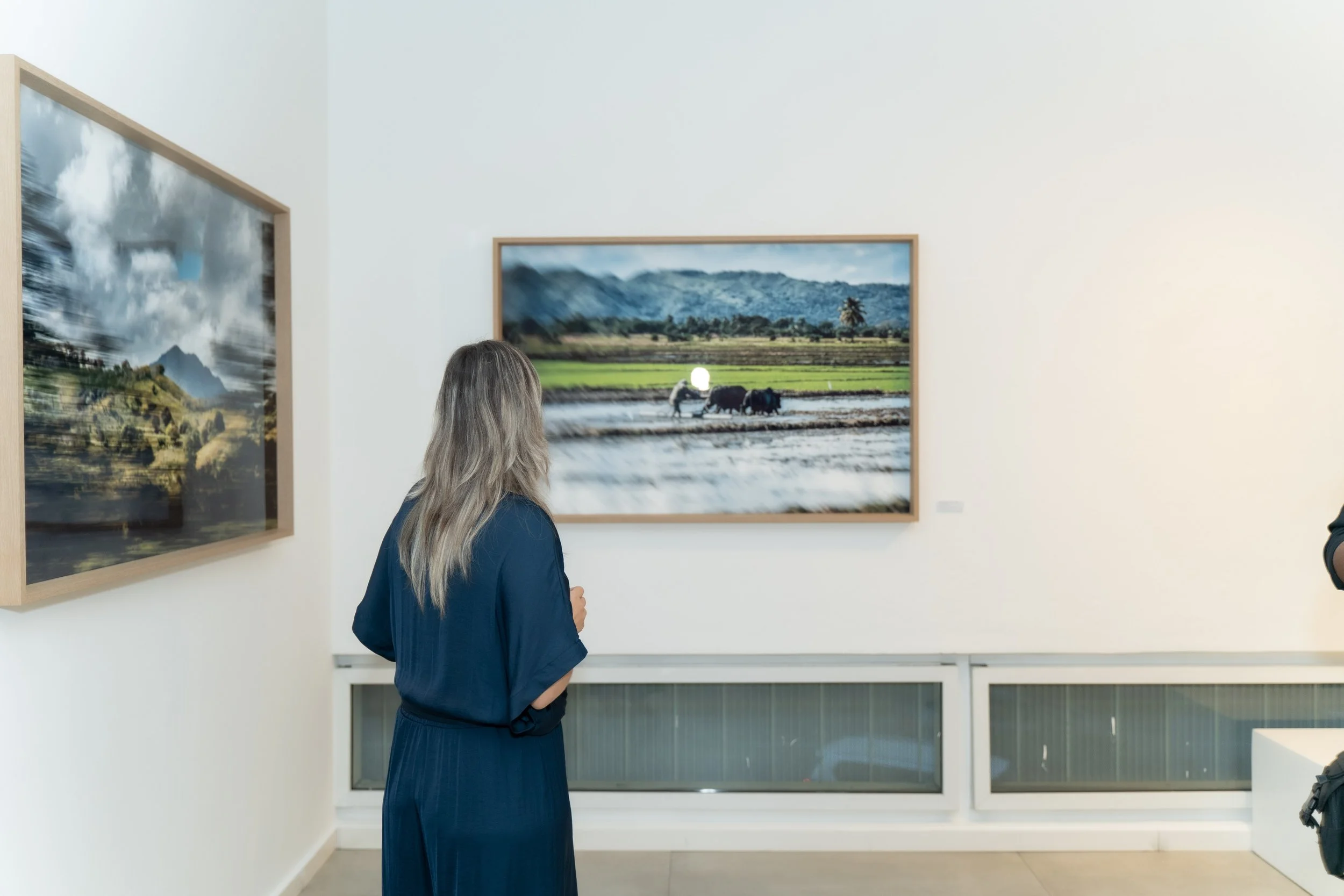
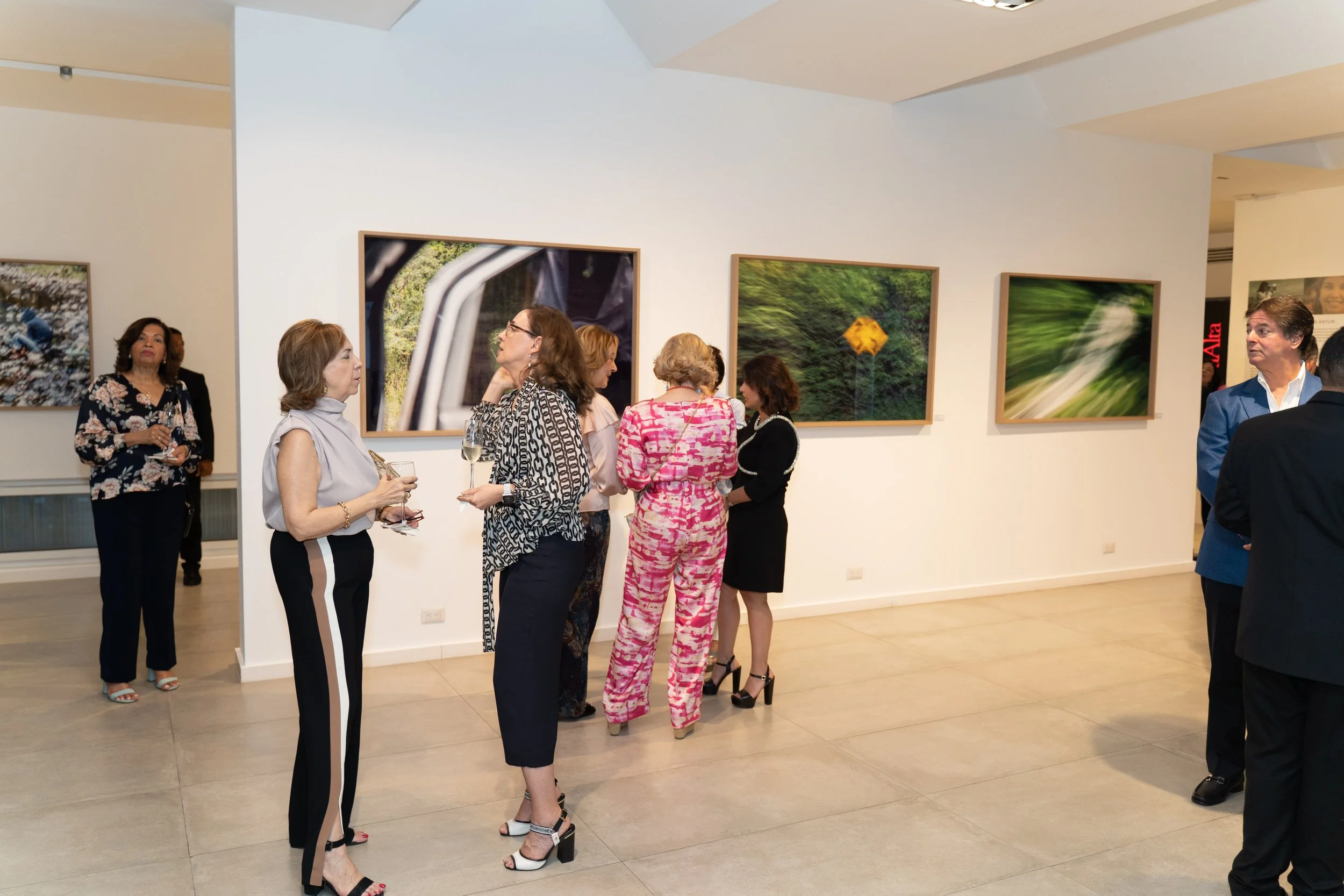
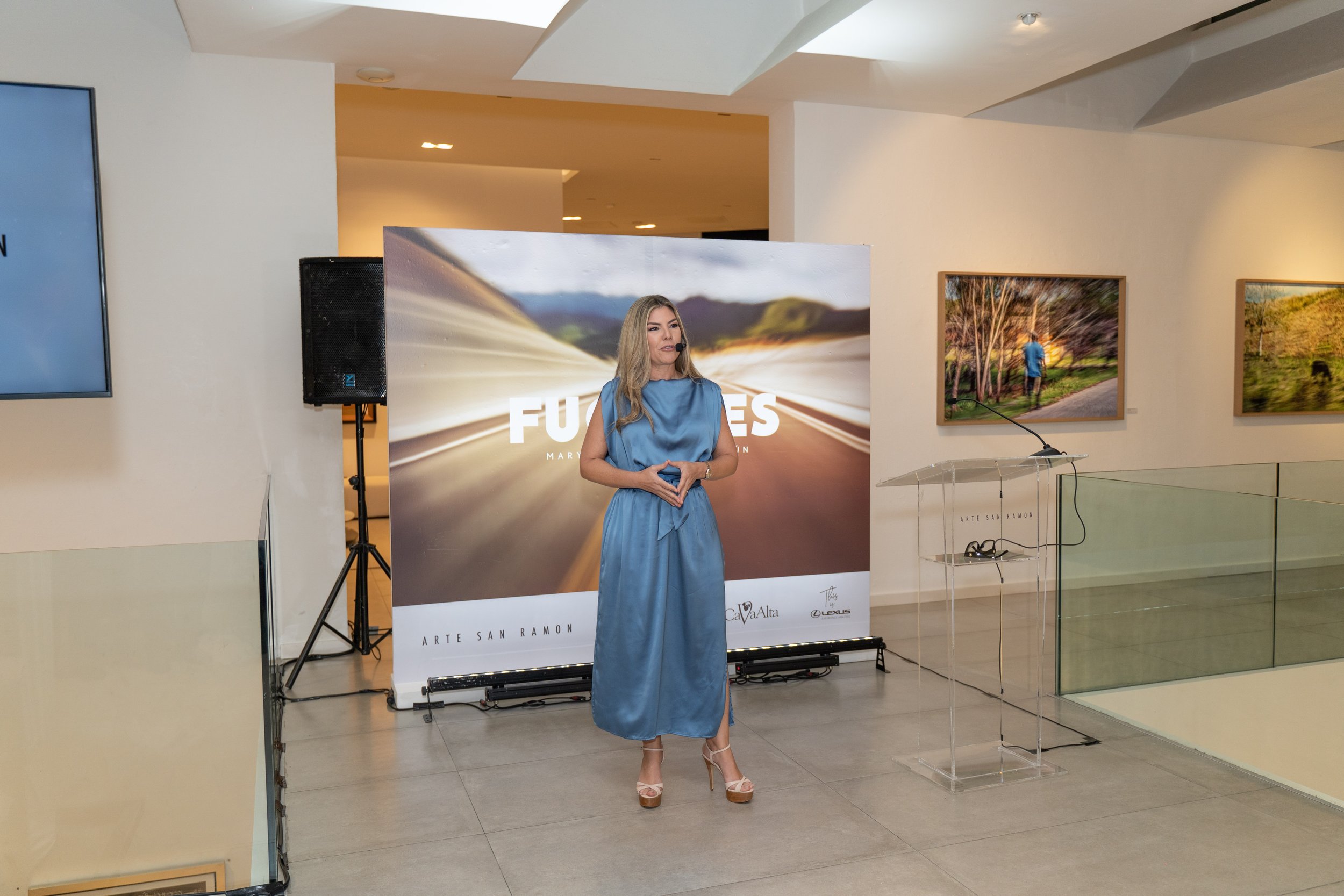
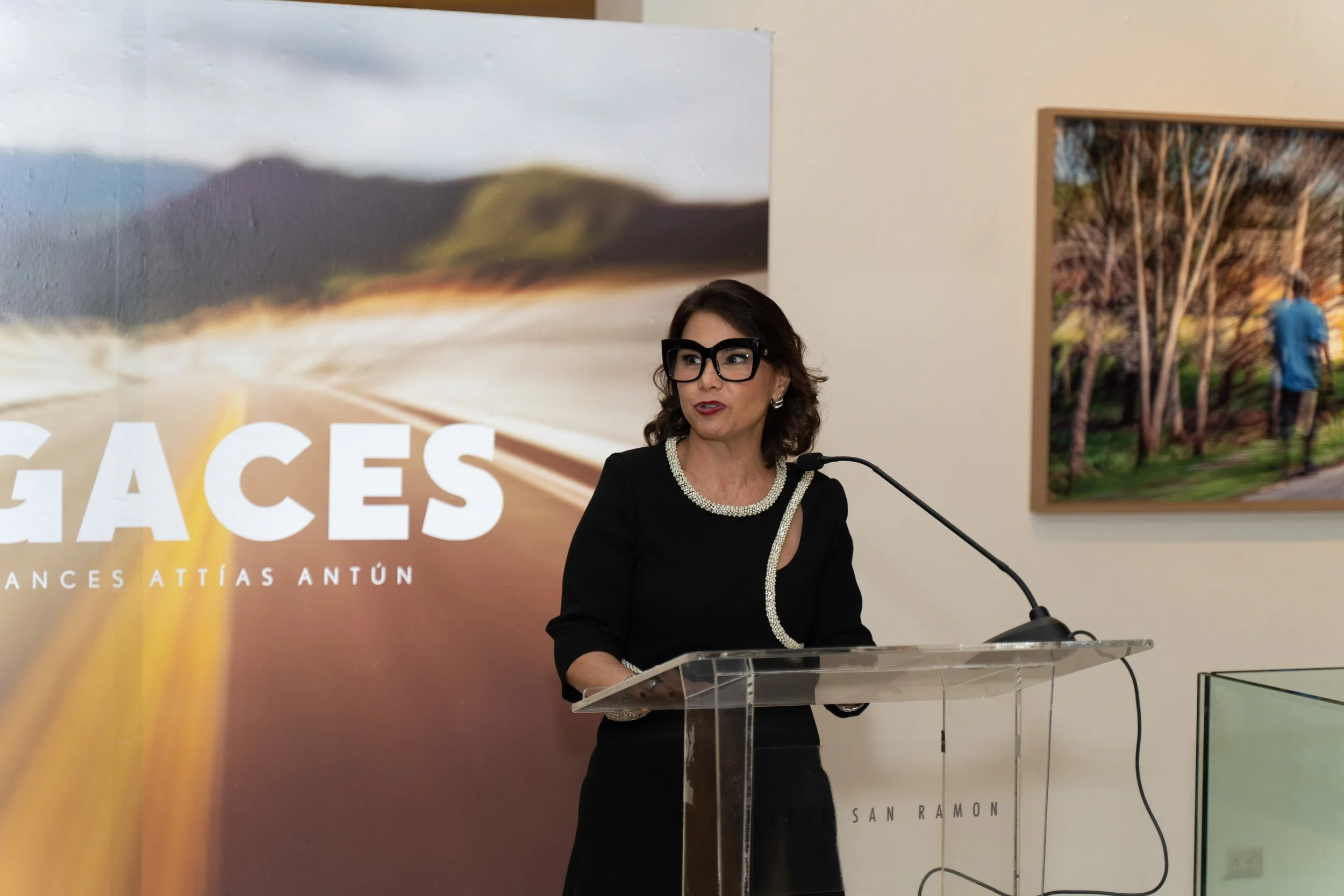
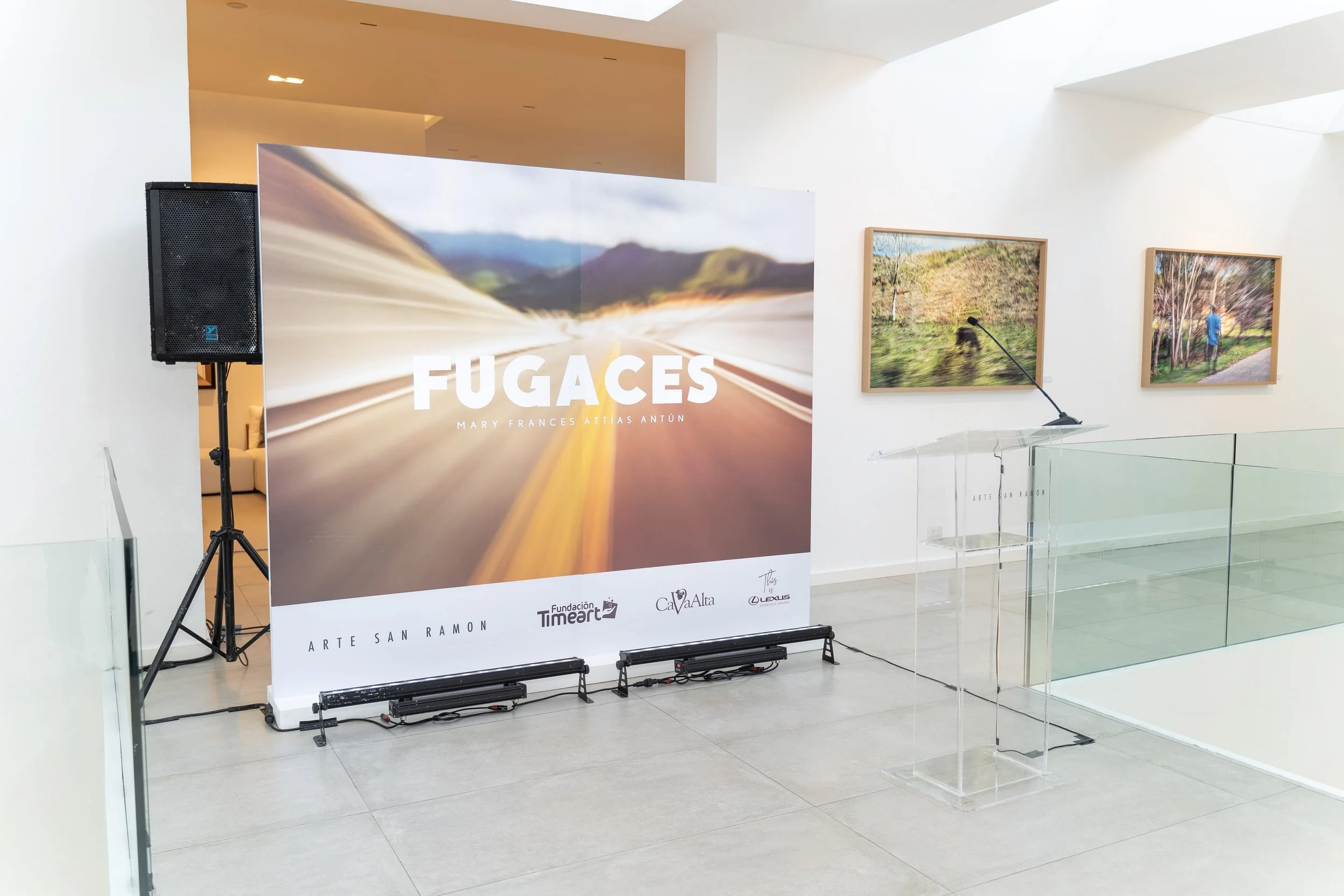
FUGACIOUS
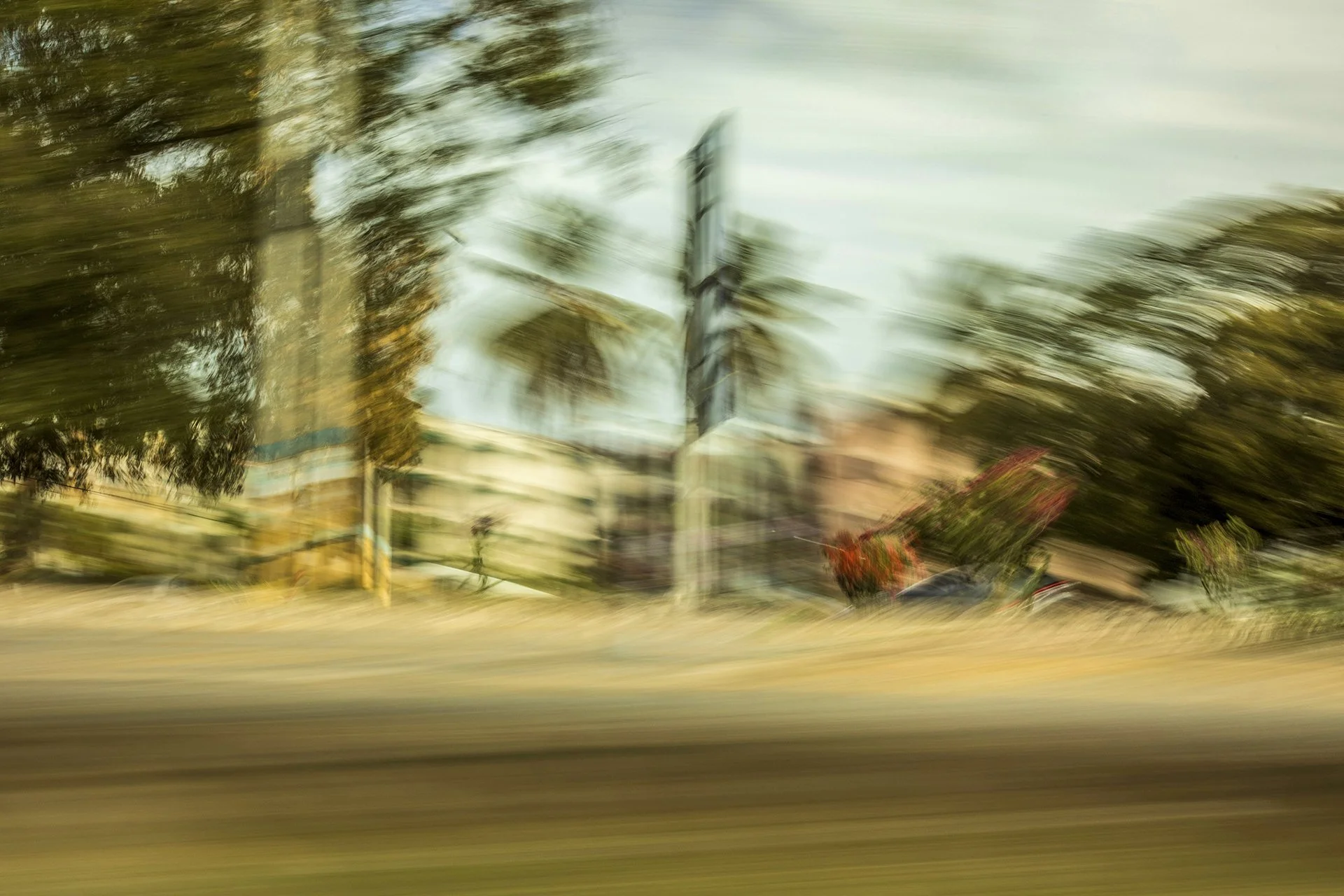
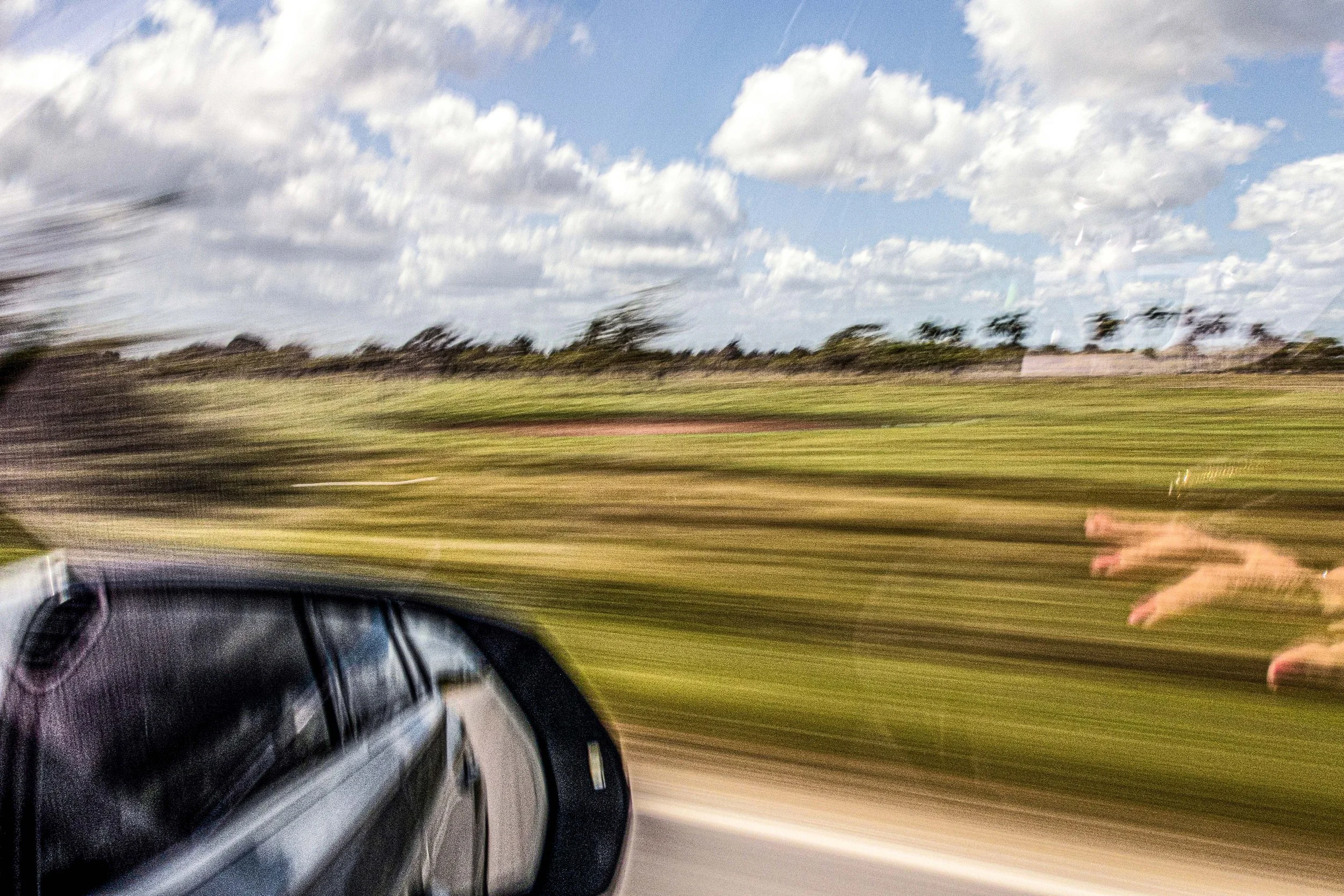
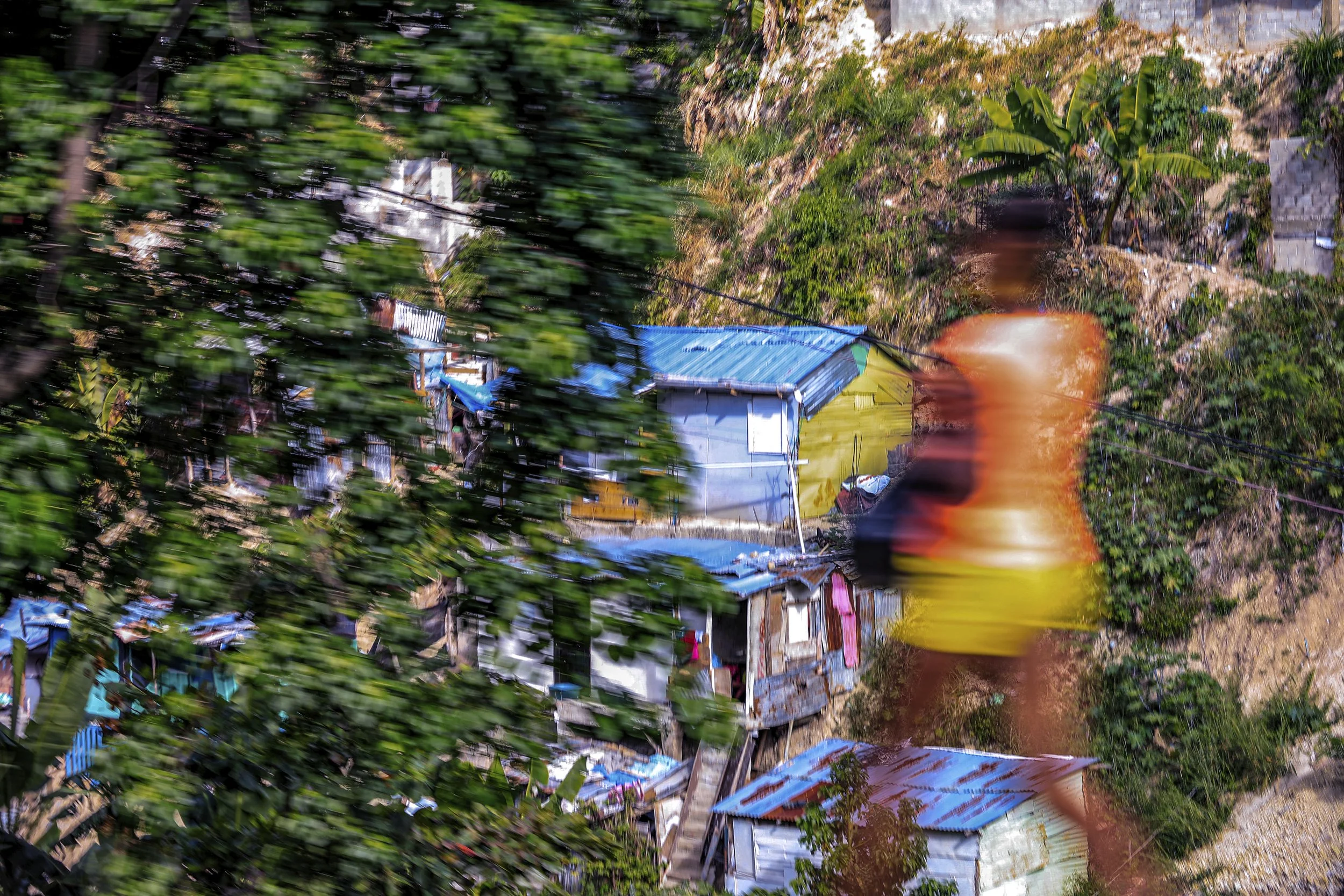
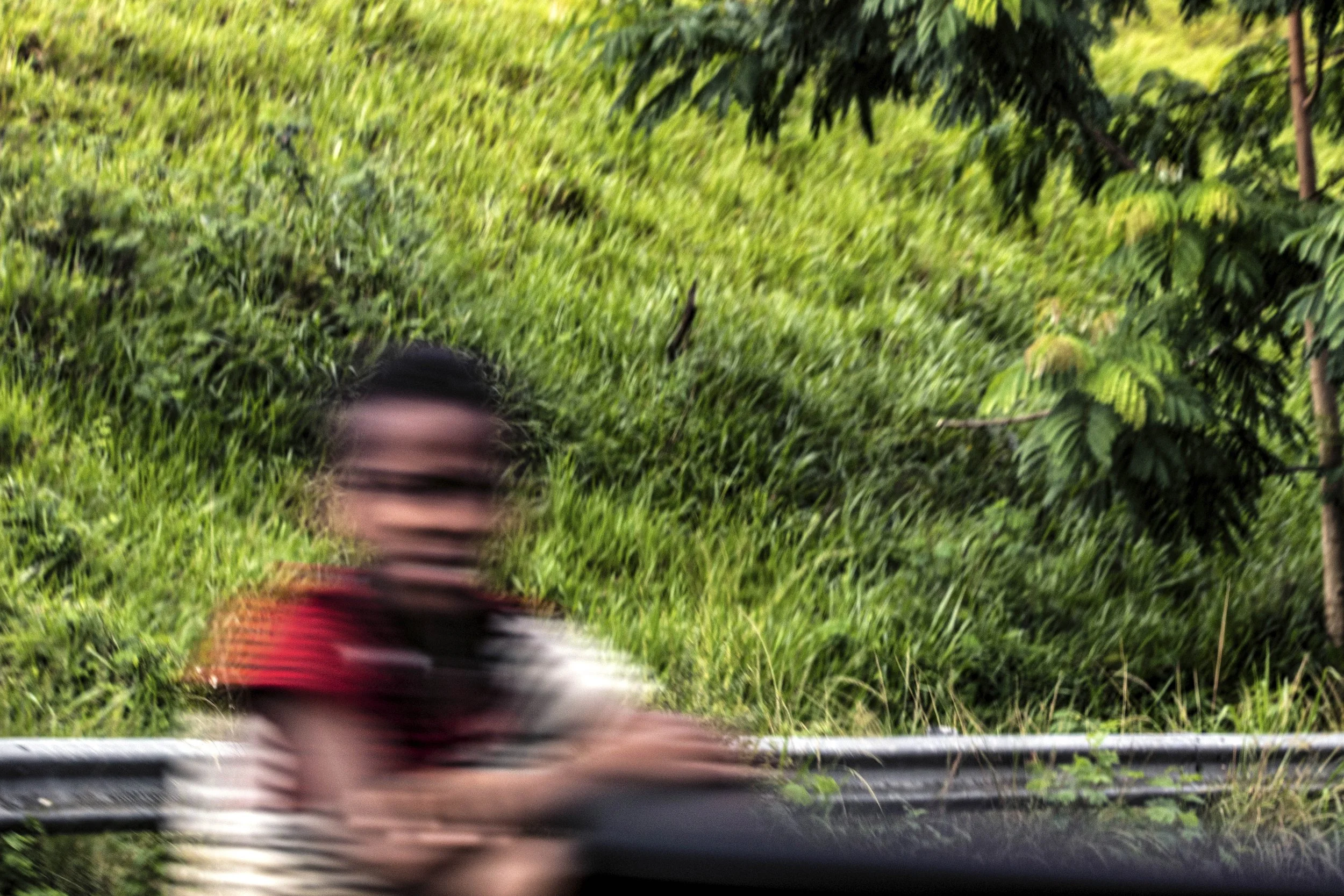
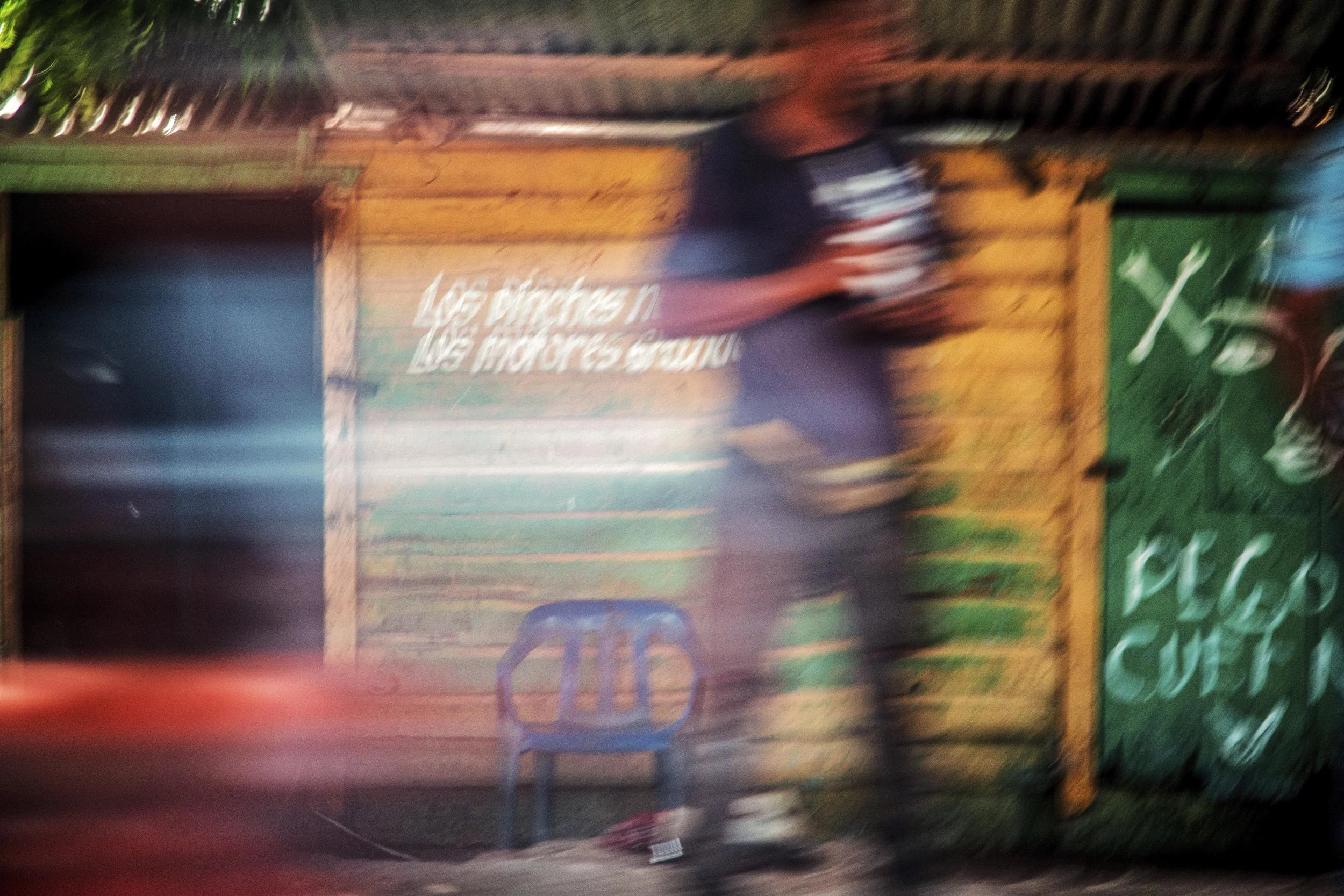
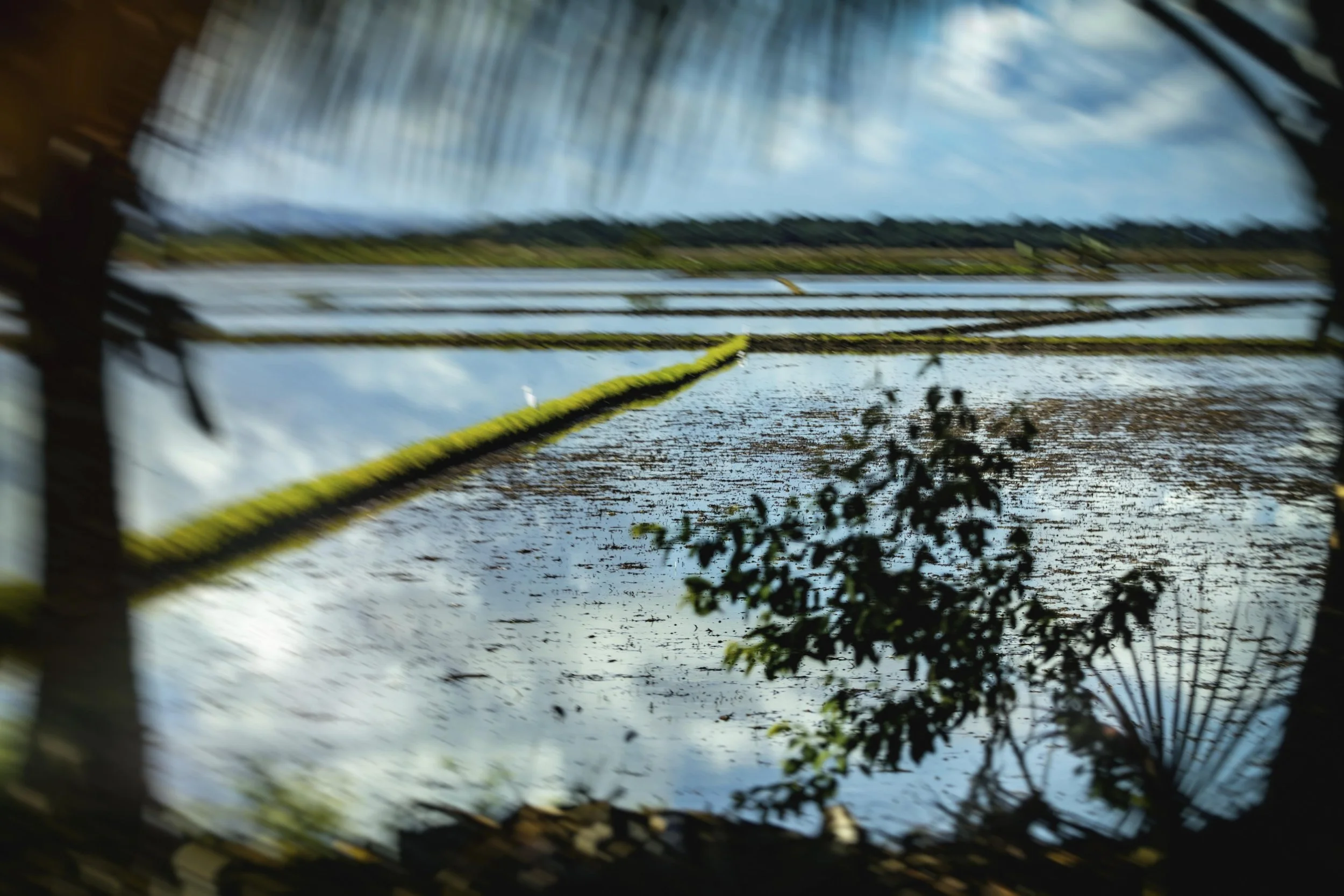
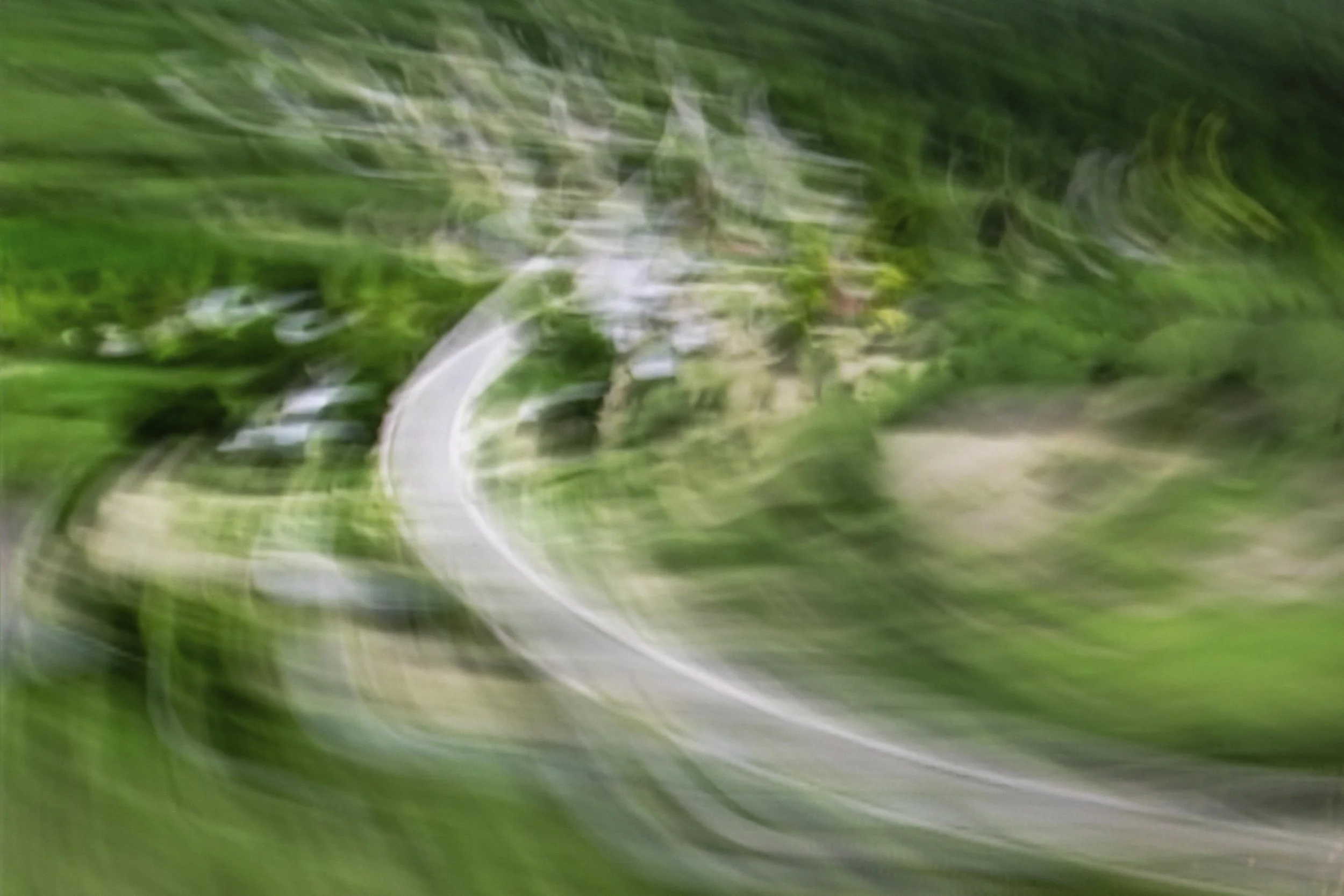
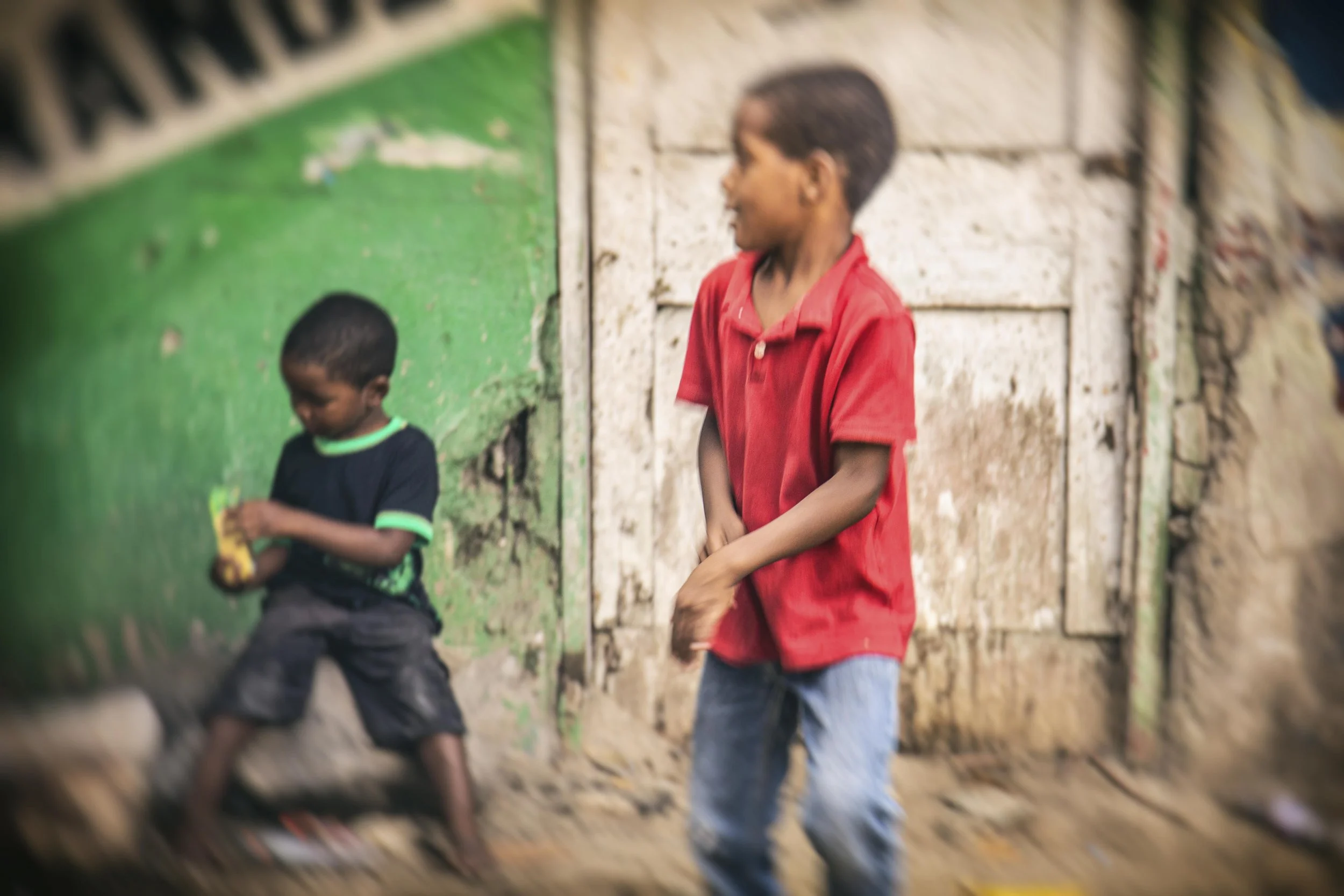
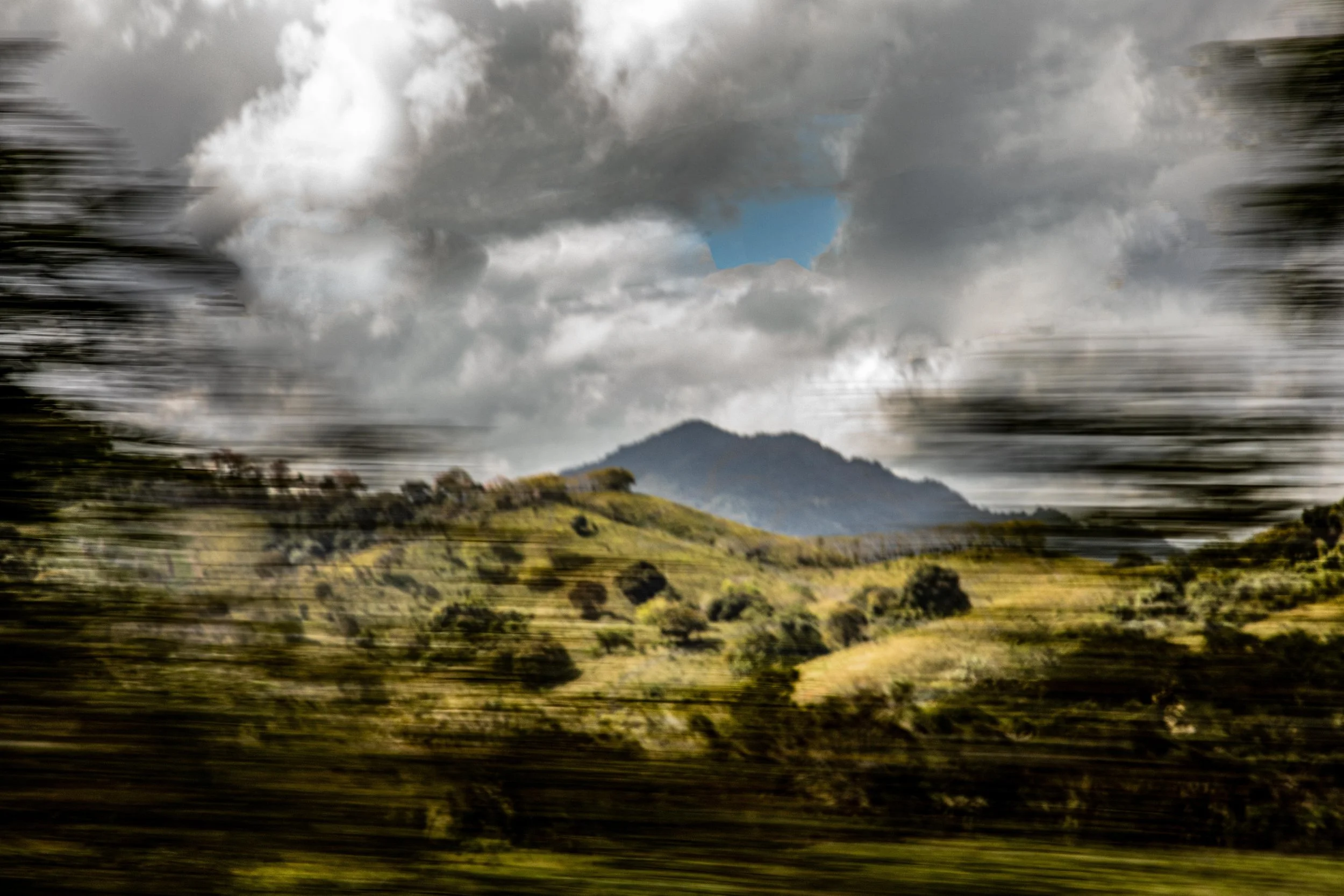
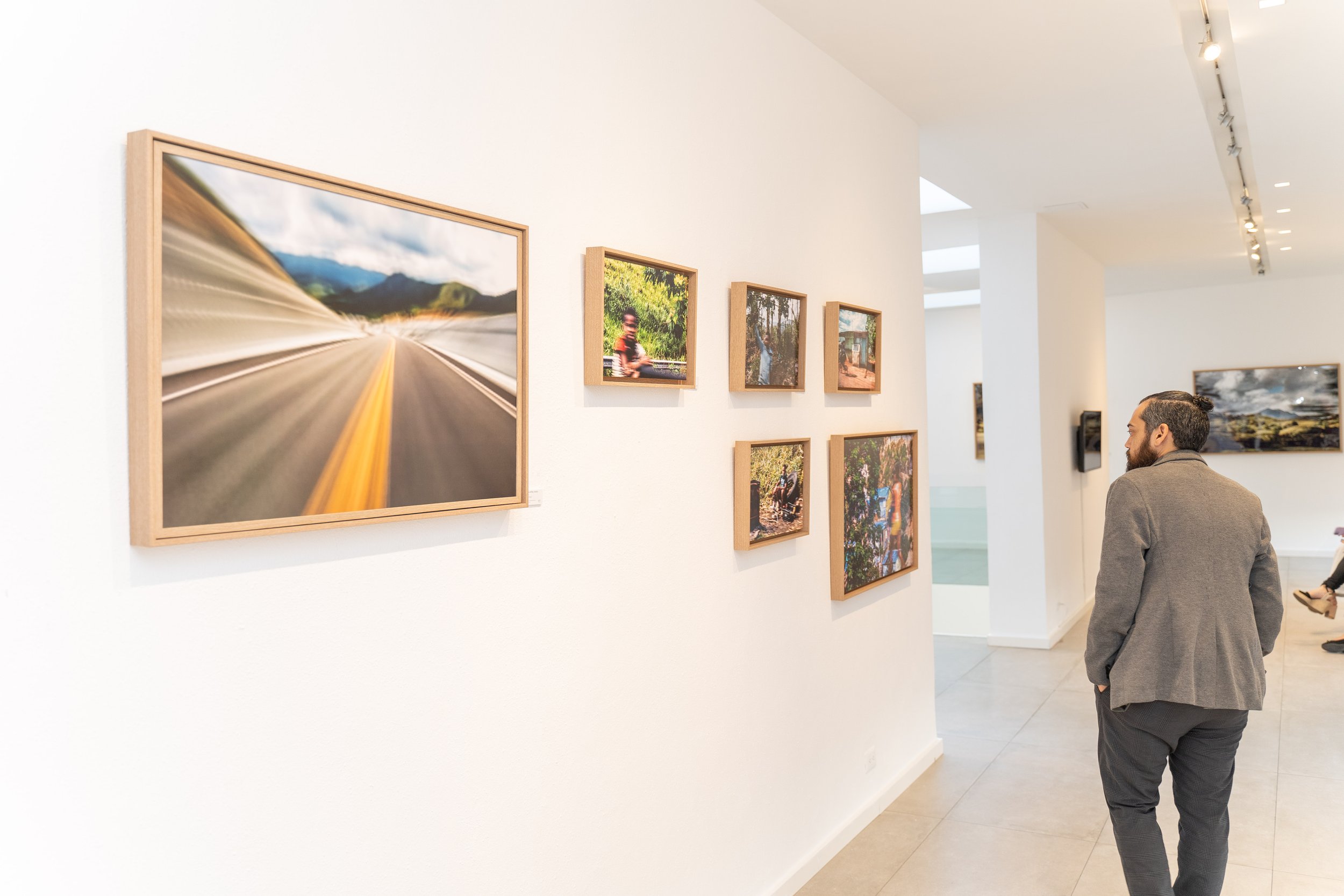
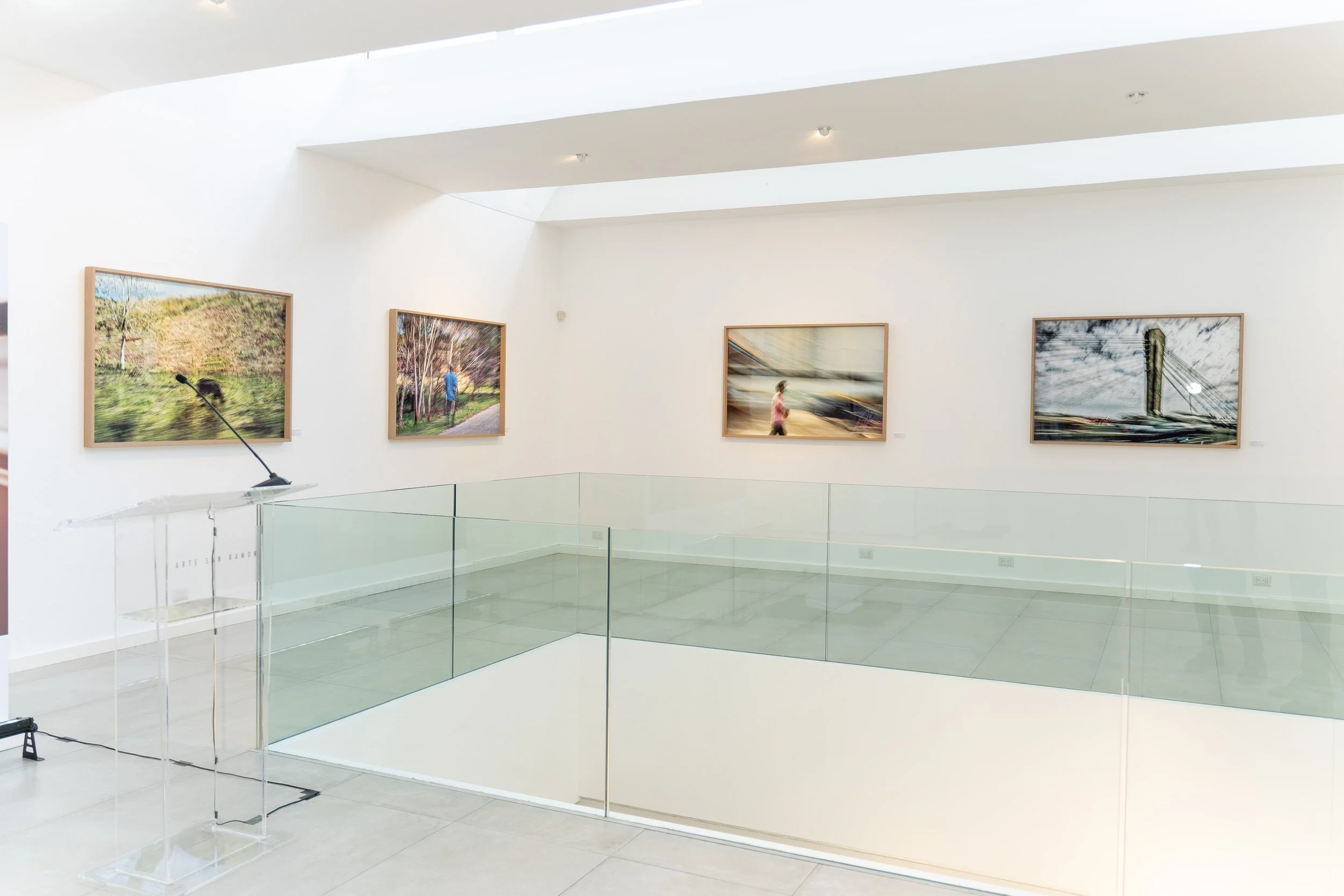
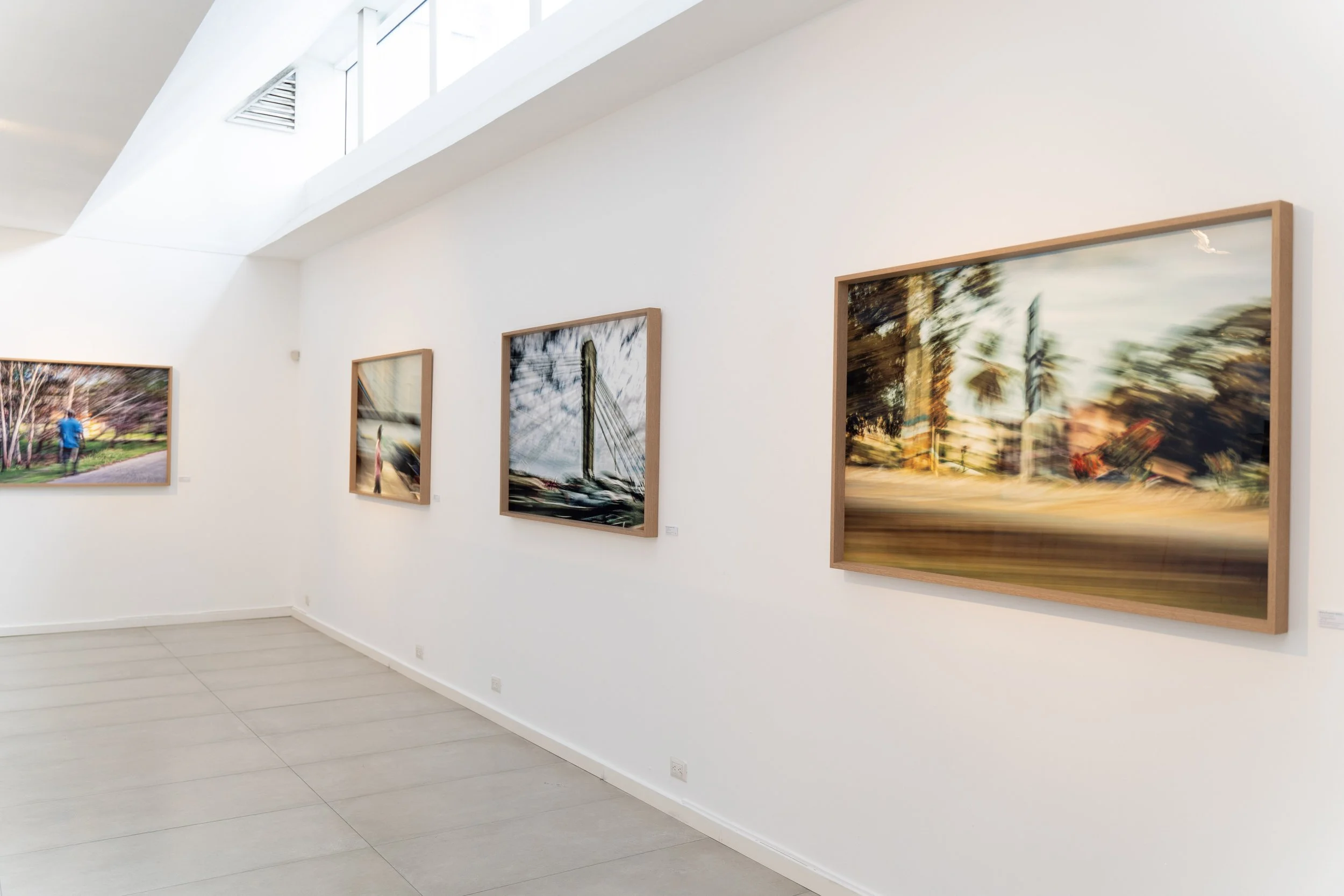
In this photographic series, memory-space-time interrelationships are explored from the experience of a restless mind attempting to find a way to stop its accelerated rhythm by freezing a fleeting moment.
The displaced images exhibit a conception of the landscape in its representation of society, expressed without any documentary pretensions and as a result of the transience of the gaze. Those moments are captured by a moving camera that uses the road as a reticular communicating vessel between these very diverse local realities.
Using these concepts, I show the incompatibility between the observer and the observed, which often seems to respond to a different chronology, as memory does with the temporal reality that we experience. As a result, our eyes are registering fragments of stories that quickly fade and, consequently, they fail to fixate on our memory.
These images are the testimony of an ungraspable reality that dissapears in front of our eyes.
Mary Frances Attías

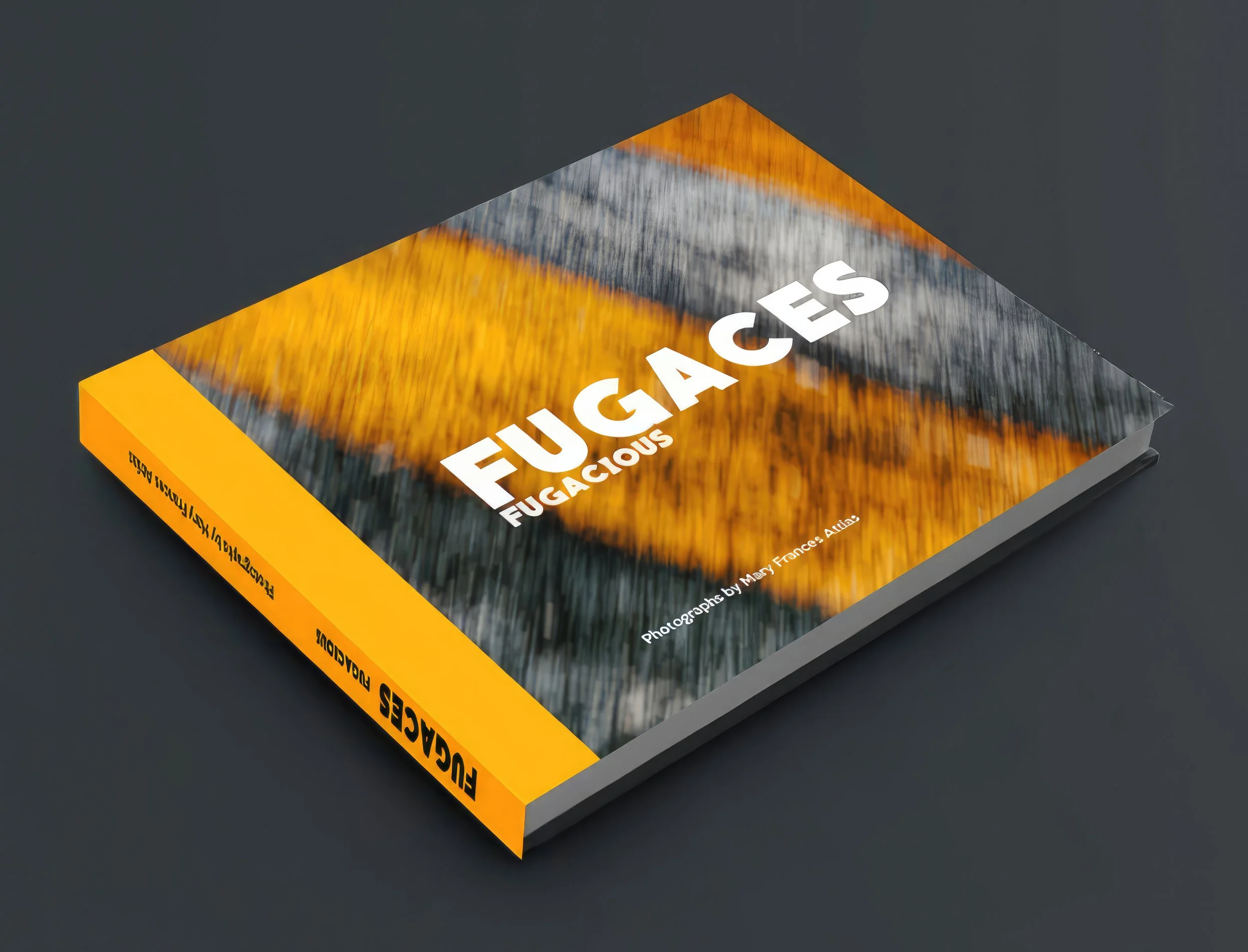
Buy the FUGACIOUS book and contribute to the TimeArt Foundation
Contact us
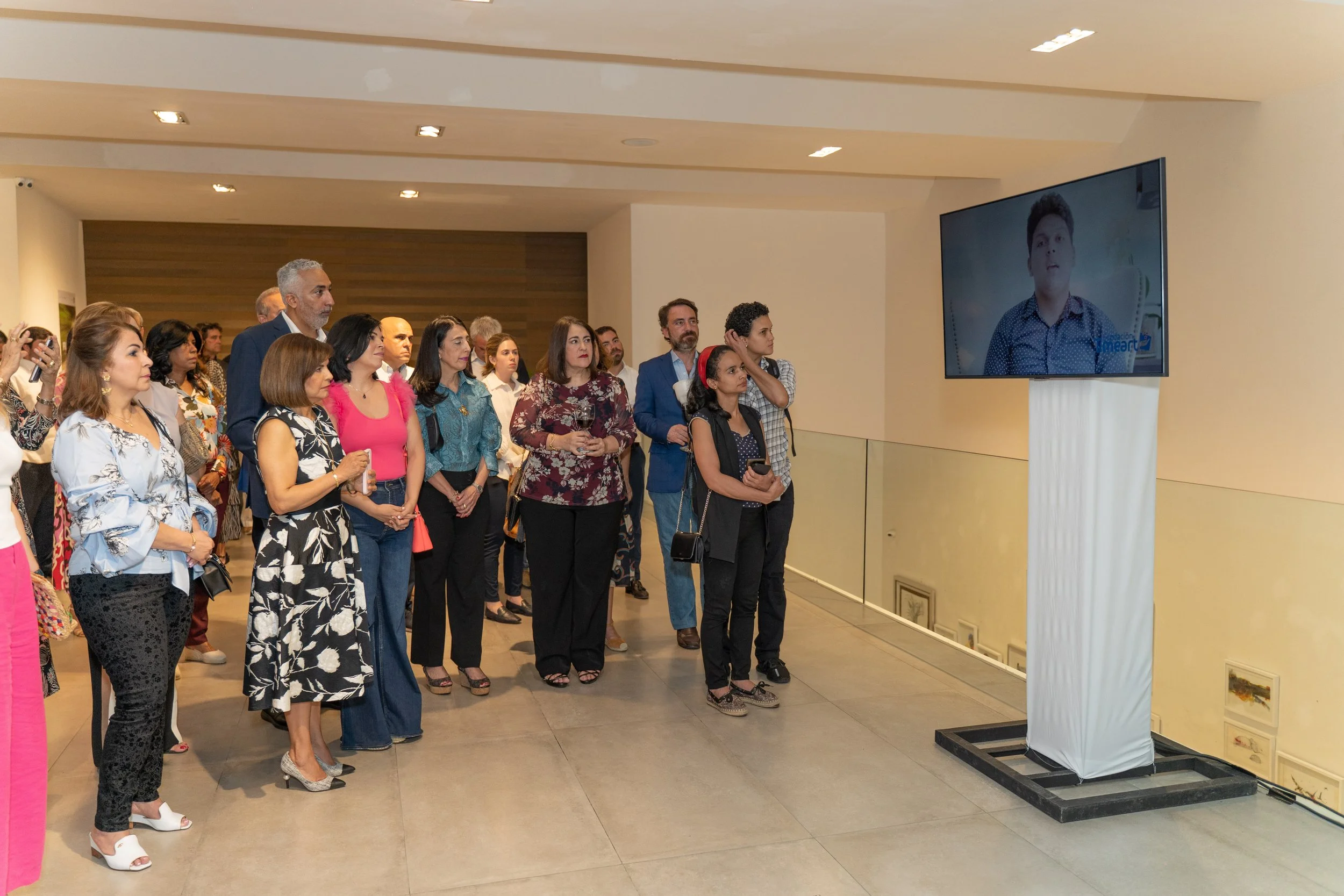
Mary Frances Attías images are available for sale to benefit TimeArt Foundation programs. She is available for national and international expositions to show her work and conect with other cultures.
For inquiries, estimates, or any general questions, please contact: