

PRINTS
Documentary Series – Limited Edition Fine Art Prints
Editions & Certification
All documentary works are issued in a limited edition of six (6) prints per size and format.
Each print is accompanied by a hand-numbered and hand-signed Certificate of Authenticity, bearing the artist’s embossed seal or hand signature depending on media. The certificate specifies the edition number (e.g., 1/6), title, medium, dimensions, and year of production.
Autoportraits, conceptual series, the Najayo Mujeres project, and intervened works are not available for online sale. These bodies of work are reserved for institutional projects, social initiatives, competitions, galleries and curated artistic programs.
Available Materials
• Hahnemühle Photo Rag 310 gsm (Fine Art Paper, archival, museum-quality) Giclée print / Baryta pure cotton paper.
• Museum-Grade Archival Canvas
Price List – Hahnemühle Photo Rag or similar Fine Art Paper
Size (inches) Size (cm) USD EUR
7 × 11 in 20 × 30 cm $600 €500
16 × 24 in 40 × 60 cm $950 €800
Price List – Museum-Grade Archival Canvas
Size (inches) Size (cm) USD EUR
30 × 40 in 75 × 100 cm $2,400 €2,000
40 × 60 in 100 × 150 cm $3,600 €3,000
Production & Payment Policy
All works are printed on demand in Europe, the United States, or the Dominican Republic, depending on the collector’s location.
Prices do not include shipping.
Special formats and alternative printing media are available upon request and require prior quotation.
Full payment is required in advance via PayPal before production begins.
Each work is produced under the artist’s supervision to ensure museum-quality archival standards. Giclée Durability and Mounting
As a rule, it could be said that the life of a giclée will be longer than the life of its owner, provided that a minimum of care is taken when handling, exhibiting or archiving it.
The photograph should be handled with cotton gloves or clean hands. Avoid talking over the image so that small particles of saliva do not fall on the image and damage it.
Once the image is framed, do not place it in direct sunlight or any other artificial light. For mounting use reflective glass to repel UV (Ultraviolet) rays and ensure greater durability of the image.
Note: The photograph is sold unframed so that everyone can frame it according to their own taste. Framing advice is available.
Reserve your artwork by taking a screenshot of the image of your choice and sending it to the following e-mail address maryfrancesattias@gmail.com
Then make the payment by clicking on the following button:
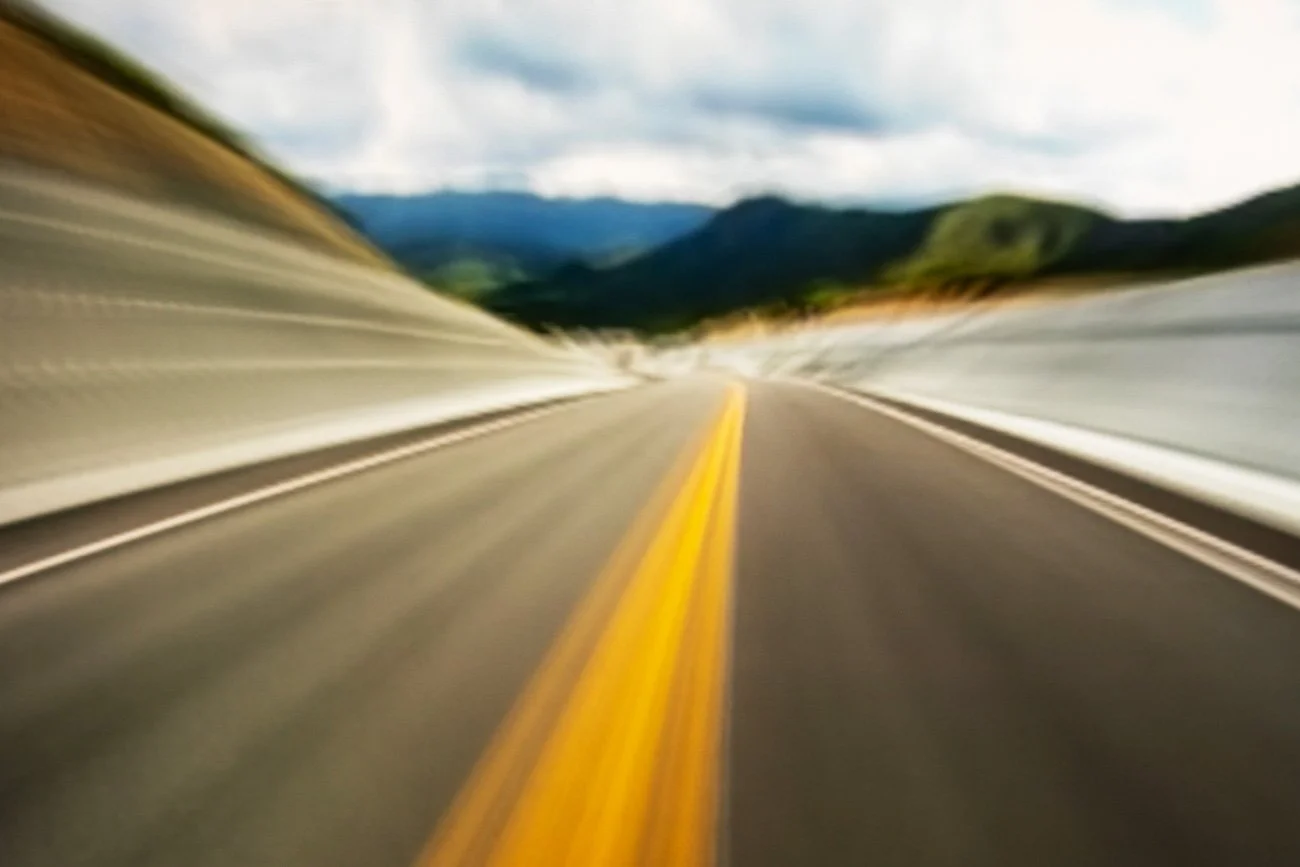
FUGACIOUS
A In this photographic series, the interrelationships between memory, space, and time are explored through inner experience and a restless mind that tries to find alternatives to halt its accelerated pace. The swift images show us a conception of the landscape linked to the social, expressed without documentary pretensions and as a result of our way of looking at the world that surrounds us.
These moments are captured by a camera moving along the road network that acts as a connecting vessel between these diverse local realities. Using these concepts, I attempt to express the incompatibility between the observer and the observed, which seem to respond to a different chronology, just as memories do to the temporal reality we experience. As a result, our eyes record fragments of everyday stories that quickly fade and, consequently, fail to remain in our memory.
These images are the testimonial of an ungraspable reality that disappears in front of our eyes.
Mary Frances Attías Antún
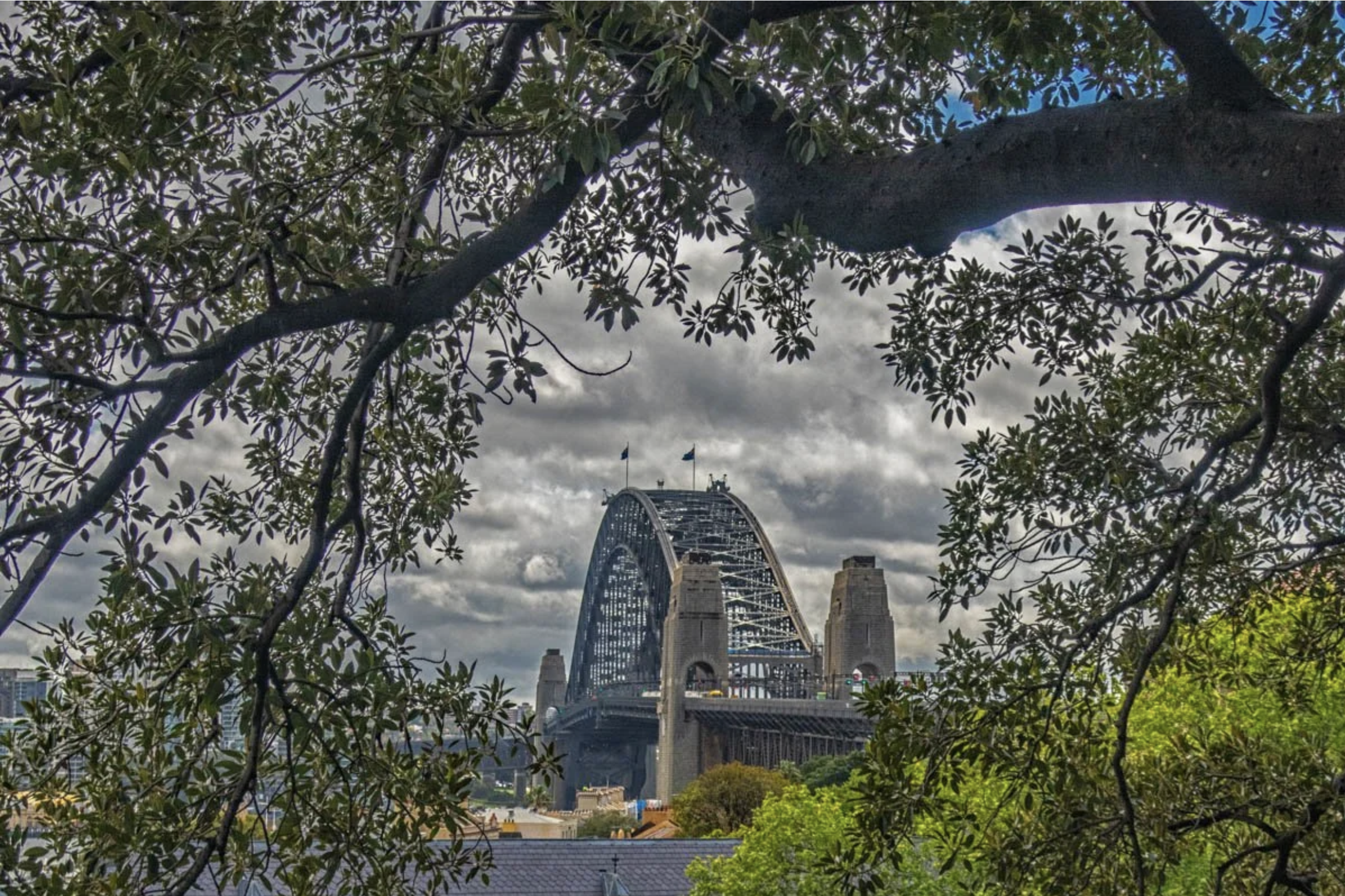
WINDOWS TO DOWN UNDER
experience traveling through Australia and New Zealand, places where landscape and culture coexist with a unique intensity. Their vibrant colors, deep connection to nature, and the warmth of their people reveal a world that invites careful observation and a willingness to be surprised by the diversity it holds.
Through these images, I share the story of territories shaped by difficult origins, multicultural heritage, and the strength of those who have transformed them into living, welcoming spaces. Between lively cities, imposing natural settings, and deeply rooted traditions, these photographs seek to capture the essence hidden within their contrasts and their ever-evolving identity.
In this collection, each scene reflects the encounter between the human and the natural, showing how both can coexist in harmony. Through light, textures, and forms that invite wonder, these images reveal a quiet balance where the everyday becomes extraordinary and the distant feels close. I hope you enjoy them.
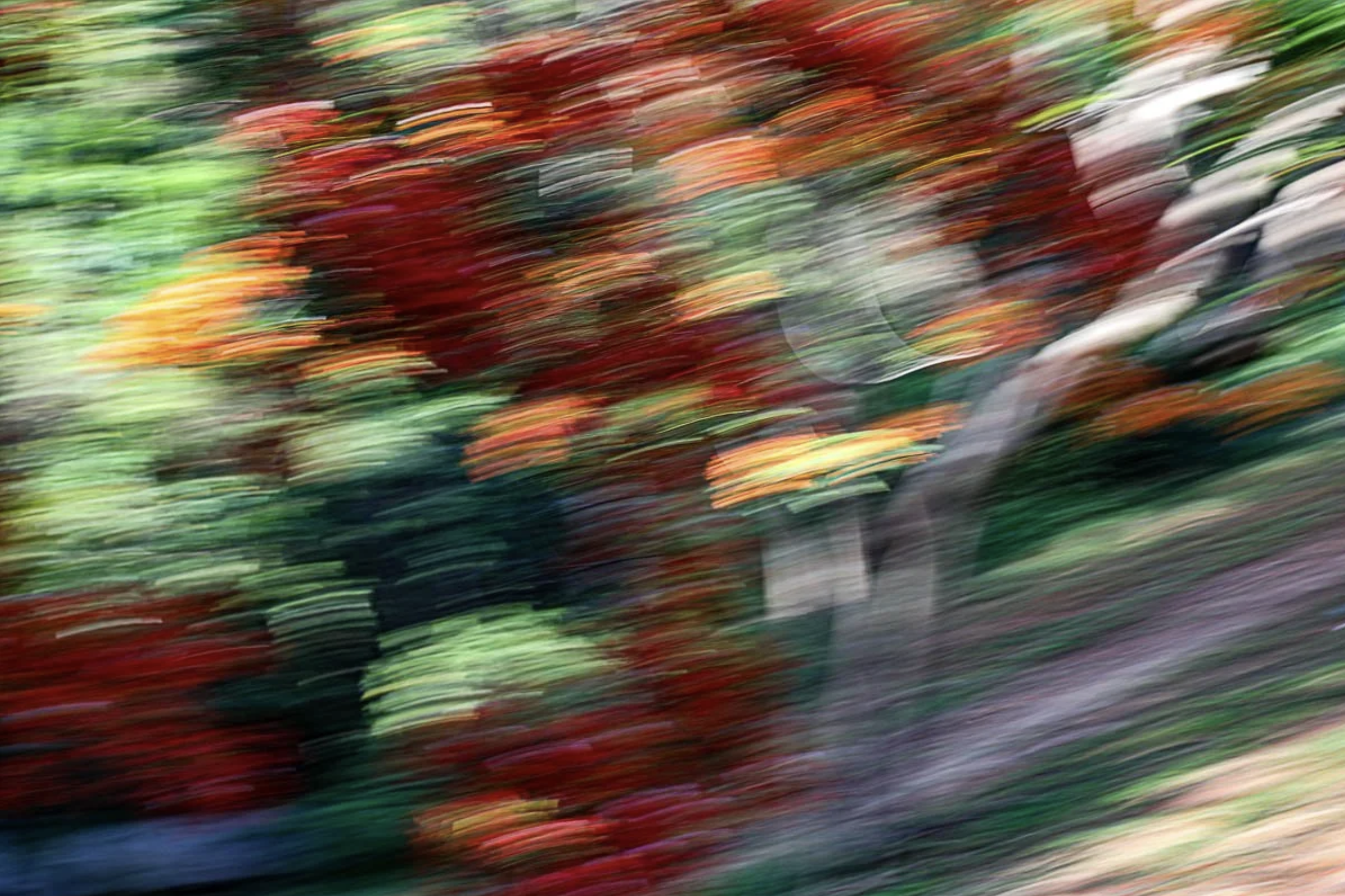
ABSTRACTS
This series moves away from representation to explore sensation. Through intentional motion, color, and blur, the images dissolve form and place, transforming fragments of the natural world into fields of rhythm and light. What remains is not a subject, but an experience—one that invites the viewer to slow down, feel, and interpret without certainty. These photographs exist in the space between seeing and sensing.
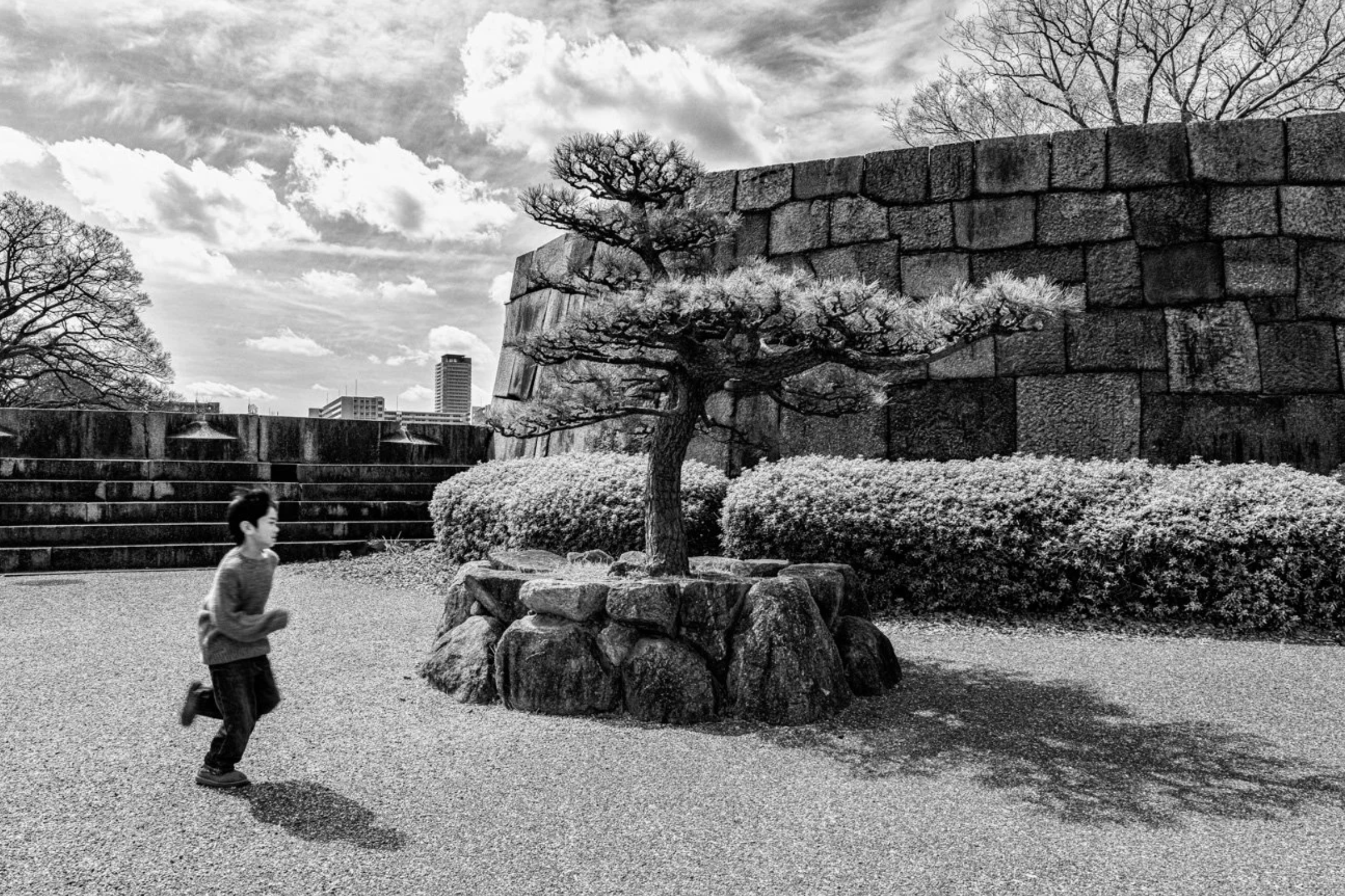
JAPAN
This photographic journey captures the diverse essence of Japan, weaving together its deep traditions and contemporary life. From the bustling energy of Tokyo and Yokohama to the tranquil beauty of Kyoto’s ancient temples, each place tells its own story. Kobe reveals a cosmopolitan charm shaped by its port history, while Hiroshima and Nagasaki stand as powerful reminders of resilience and peace. In Kagoshima, volcanic landscapes meet coastal horizons, and in Shimizu, the harbor frames breathtaking views of Mount Fuji. Kanagawa blends seaside escapes with cultural heritage, completing a tapestry of contrasts. Across the sea, Jeju Island and Jeju City in South Korea add their own unique rhythm, with dramatic coastlines and a distinct island culture.
ROAD TO SANTIAGO
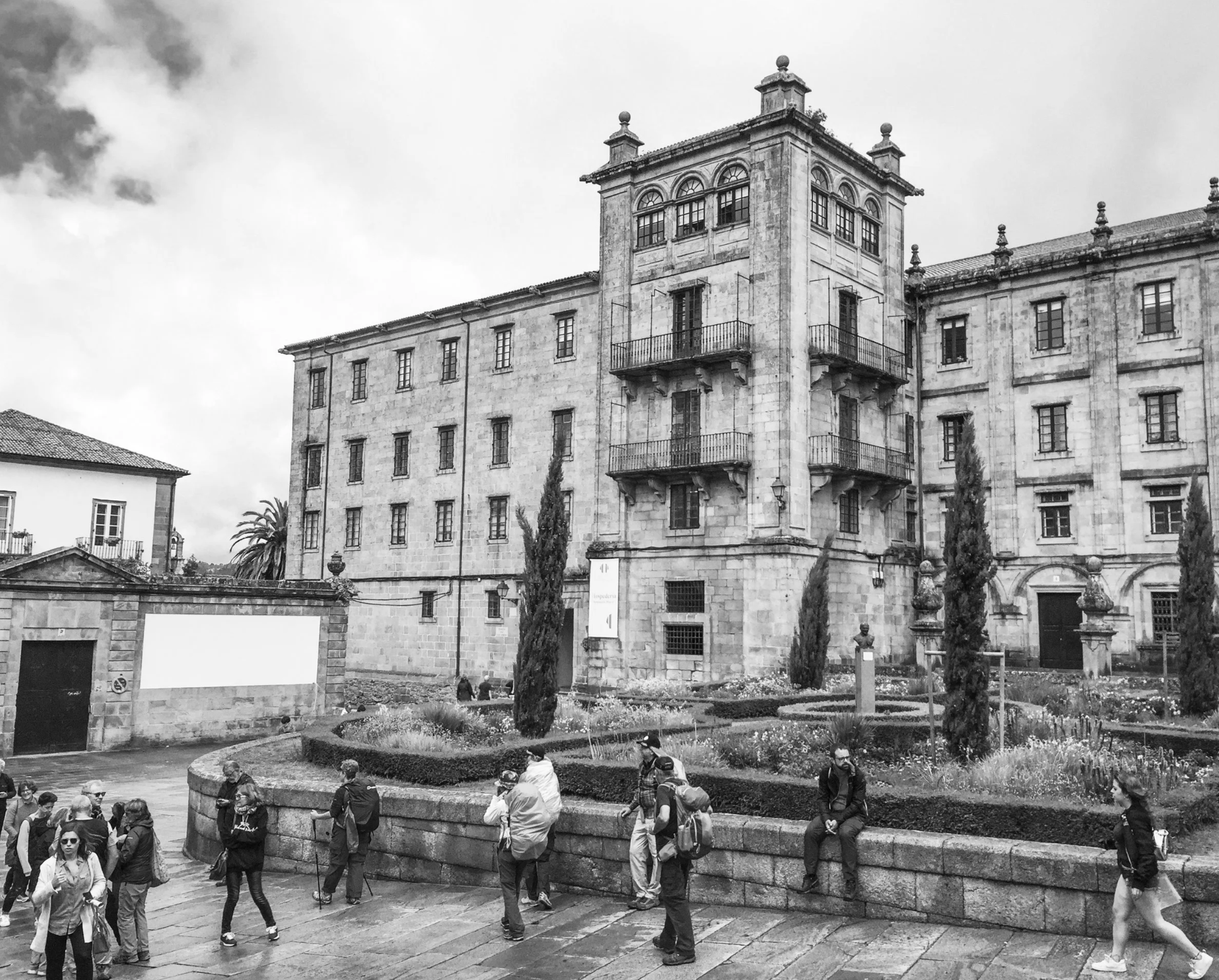
The first time I learned about the existence of the multiple routes leading to Santiago de Compostela was through a book by Brazilian writer Paulo Coelho.
Driven by curiosity, I began to research the origins of the pilgrimages that, since medieval times, have led travelers to this Galician city, departing from different points across the north of the Iberian Peninsula.
At that time, still very young and busy with countless things, I could only think of learning more about this ancient tradition and preparing myself, someday, to fulfill the dream of walking this path on foot.
That moment came many years later, after the death of my mother, an event that left me physically and emotionally devastated. I realized then that I needed time for introspection and solitude, to process everything I had lived through and to reconnect with myself once again.
This is how the journey began.
These photographs, capturing certain points along the Camino de Santiago, are small memories recorded with a mobile phone, perhaps with limited technical quality.
OZAMA RIVER
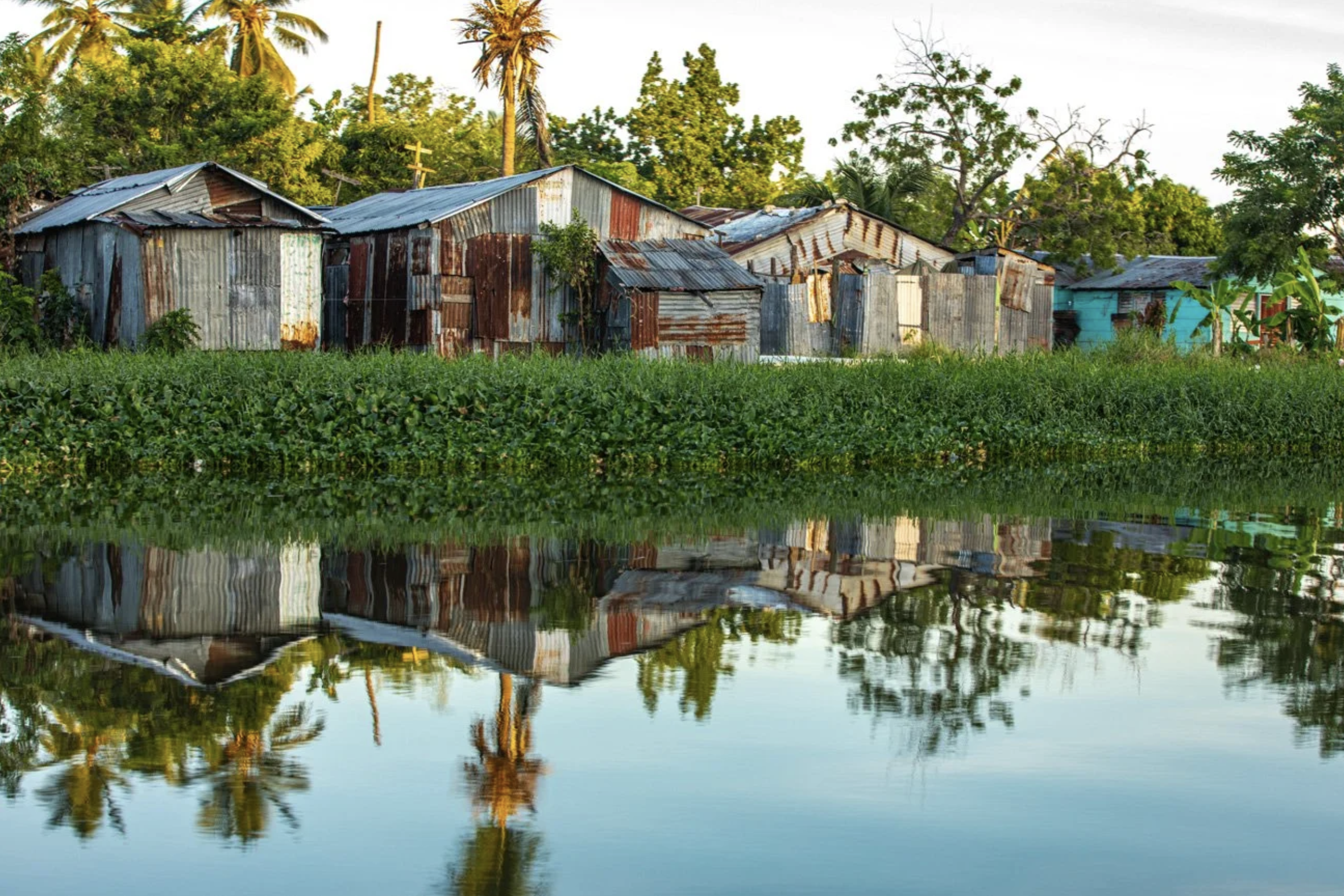
The Ozama River in Santo Domingo, Dominican Republic, flows like a mirror of the city’s contradictions, beauty and decay, resilience and erosion. These photographs explore the river’s chromatic intensity under the Caribbean light: the reflections of houses built along its margins, the density of vegetation reclaiming forgotten spaces, and the pulse of human activity that coexists with the water’s quiet persistence. Captured in 2019, this series seeks to reveal how color becomes testimony, the living surface of a river that both divides and unites the capital, shaping the identity of those who dwell beside its currents.
DOMINICAN REPUBLIC CARNIVALS
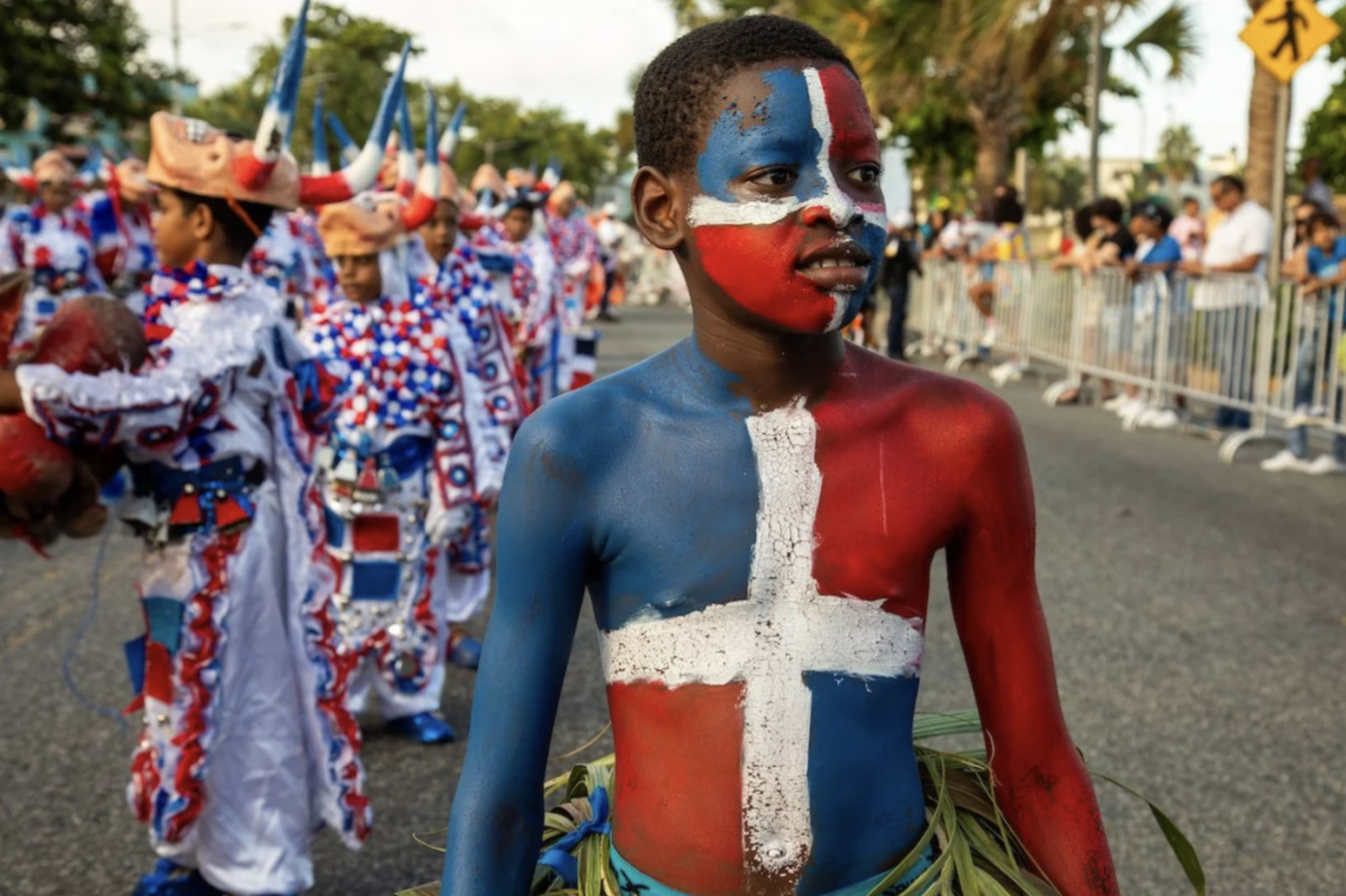
Across several years, the carnivals of the Dominican Republic unfold as a living archive of color, rhythm, and collective memory.
These photographs trace time not by dates, but by repetition, the return of masks, bodies, music, and gestures that refuse to disappear.
Color here is not ornamental; it is identity in motion.
Painted faces, handmade costumes, and saturated streets speak of resistance, humor, ancestry, and celebration existing all at once. Each year adds a new layer, but the pulse remains constant.
What these images reveal is not a single carnival, but many, shifting, evolving, yet rooted.
A space where excess becomes language, where the street transforms into a stage, and where history is carried forward through performance rather than preservation.
Dominican Republic Carnivals.
Seen over time.
A tradition that does not repeat itself, it deepens.
NATURE — DOMINICAN REPUBLIC
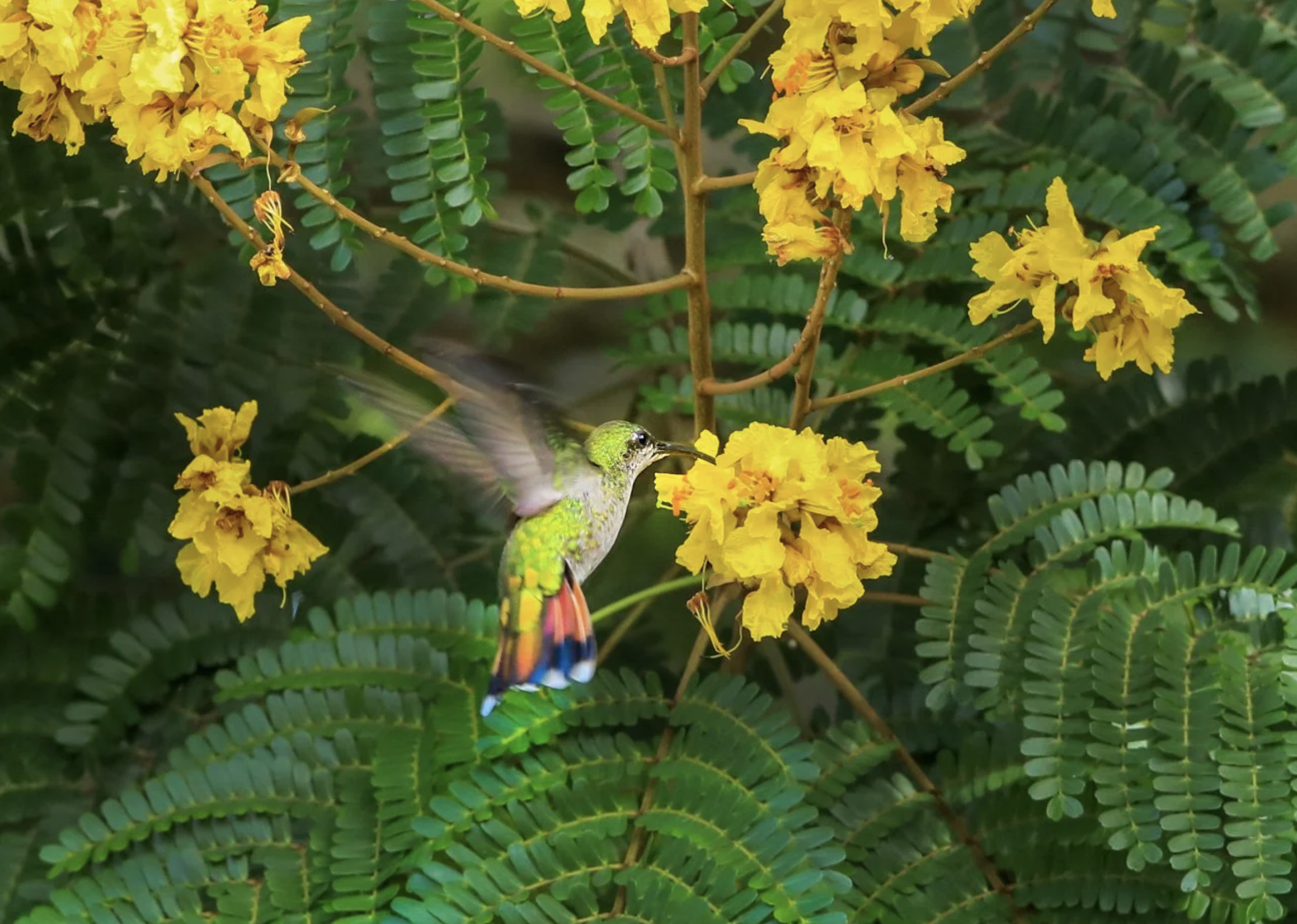
In the Dominican Republic, nature speaks through color and detail.
Tropical light settles gently on petals, leaves, and textures, revealing a landscape that feels both vibrant and intimate. Flowers open without urgency, saturated with reds, yellows, and deep greens, while humidity softens every edge.
These images focus on the small gestures of the natural world: the curve of a leaf, the density of foliage, the quiet rhythm of growth. It is a nature that doesn’t overwhelm, it invites observation. A place where color is not decoration, but language, and where every detail carries the pulse of the Caribbean.