Selected Works Available for Acquisition
A selection of photographic works by Mary Frances Attías is currently available for acquisition.
The works presented in these galleries are finished physical pieces that have already been printed, mounted, and are currently held in storage in the Dominican Republic, ready for sale.
Several of these works and series have been exhibited in galleries, museums, photography festivals, biennials, and international art events, while the artist’s work has also received distinctions and recognition in different contexts. Their exhibition history and participation in curated programs form part of the trajectory and provenance of each piece.
Each gallery presents the individual works currently available, including full artwork details, dimensions, printing technique, edition information, price, and purchasing options.
All photographs have been produced according to professional Fine Art standards and are accompanied, when applicable, by a signed and numbered Certificate of Authenticity.
Select a gallery below to explore the available works and purchase directly through the corresponding artwork page.
Pickup, local delivery, or international shipping is coordinated separately after purchase, according to the buyer’s location and specific requirements. Any related costs are determined on a case-by-case basis. For additional information, please contact the artist directly.
Fete de rue a parís
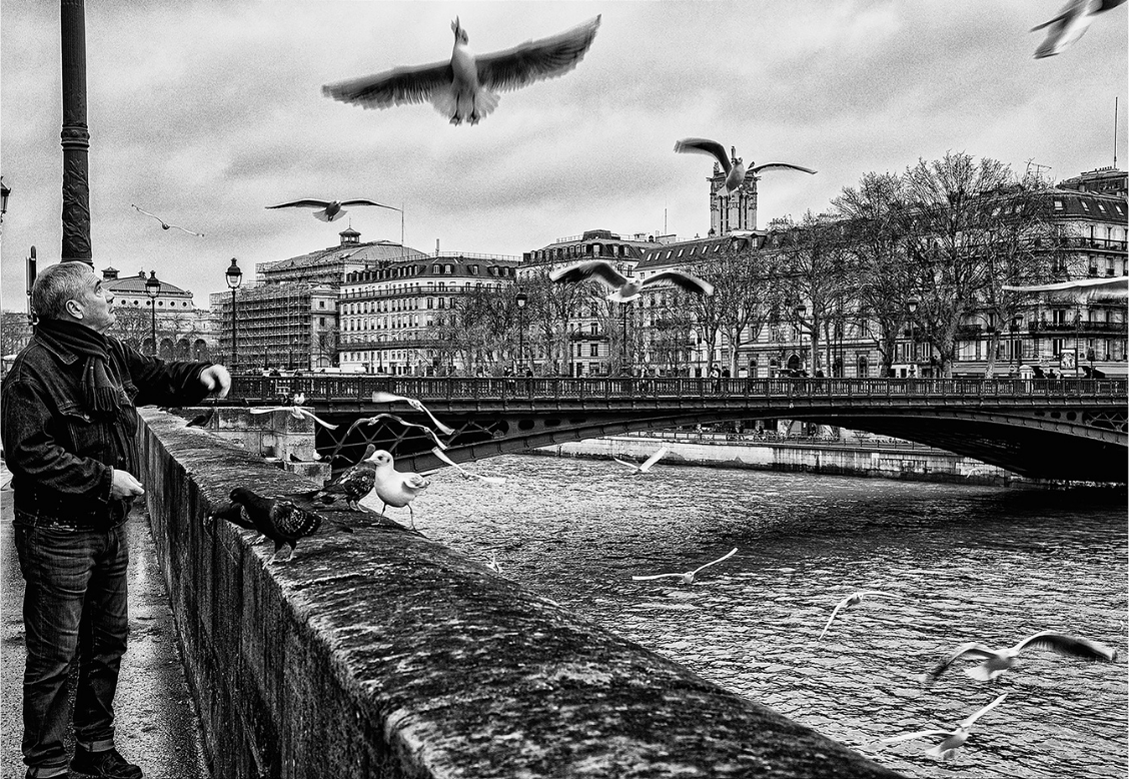
In the pages of A Moveable Feast, Ernest Hemingway portrayed a city shaped by atmospheres, encounters, and fleeting moments that came to define an entire generation. That same vibration, suspended between nostalgia and vitality, reemerges in Fête de rue à Paris, a series of black-and-white photographs that reveals the poetic intensity of everyday life.
Here, black and white is not a neutral aesthetic choice, but a language that strips the scene of unnecessary ornament, bringing to the surface the essence of bodies, gestures, and streets.
Each image becomes a visual chronicle of the ephemeral: passersby crossing paths without recognition, shadows stretching across the pavement, and seemingly insignificant moments that memory transforms into something enduring.
Corpus Naturae
My respect for nature and my passion for photography inspired me to create this humble visual tribute to Ansel Adams, a naturalist and one of the most influential figures in the history of landscape photography.
By removing the distraction of color from these images of nature, I seek to direct the viewer’s attention toward the very essence of the landscape and its natural resources, inviting reflection on their fragility and on the importance of preserving them for future generations.
Neocolonialism represents the continuation of the control exercised by global powers over their former colonies, now through economic, political, and cultural strategies.
Although decolonization promised independence, imperialist dynamics preserved more concealed forms of domination. Today, global capitalism can expand without occupying territories; it is enough to influence markets, resources, and even collective will.
This photographic series reflects on the persistence of these forms of subjugation, revealing how aesthetics, identity, and migration become intertwined within a renewed cycle of dependence.
Through visual symbols, the works evoke servitude and cultural hybridity which, rather than suggesting true integration, point toward a “new colonization” of bodies and territories.
Fugacious
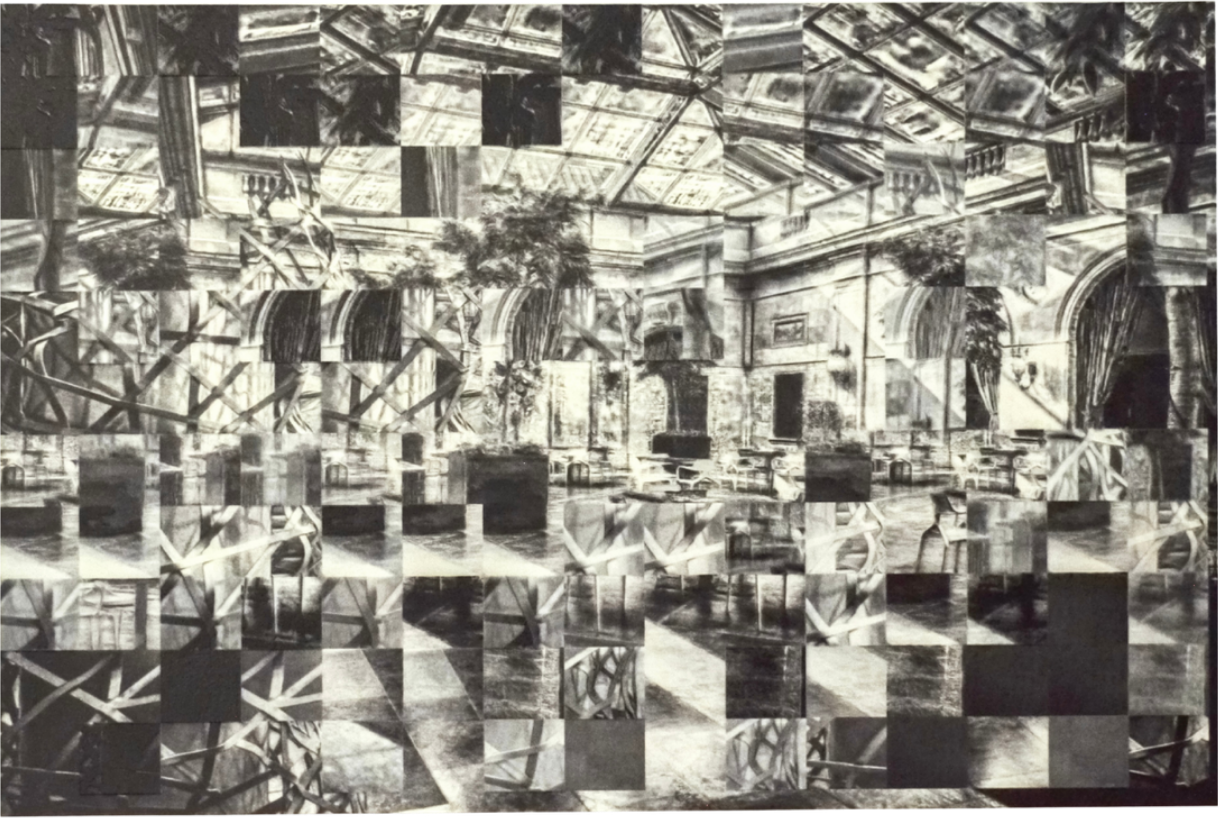
In this photographic series, the interrelationships between memory, space, and time are explored through an inward experience and the perspective of a restless mind searching for ways to slow its accelerated pace.
The images, swift and vibrant, reveal an understanding of landscape that is closely connected to the social realm, expressed without documentary pretensions and as a reflection of the transience of perception. Through these ideas, the series explores the tension between observer and observed, as though each belonged to a different chronology - as if memories followed their own sense of time, detached from the rhythm of lived experience.
Each image becomes a visual chronicle of the ephemeral: passersby crossing paths without recognizing one another, shadows stretching across the pavement, and fleeting moments that memory transforms into something enduring.
Nature interrupted
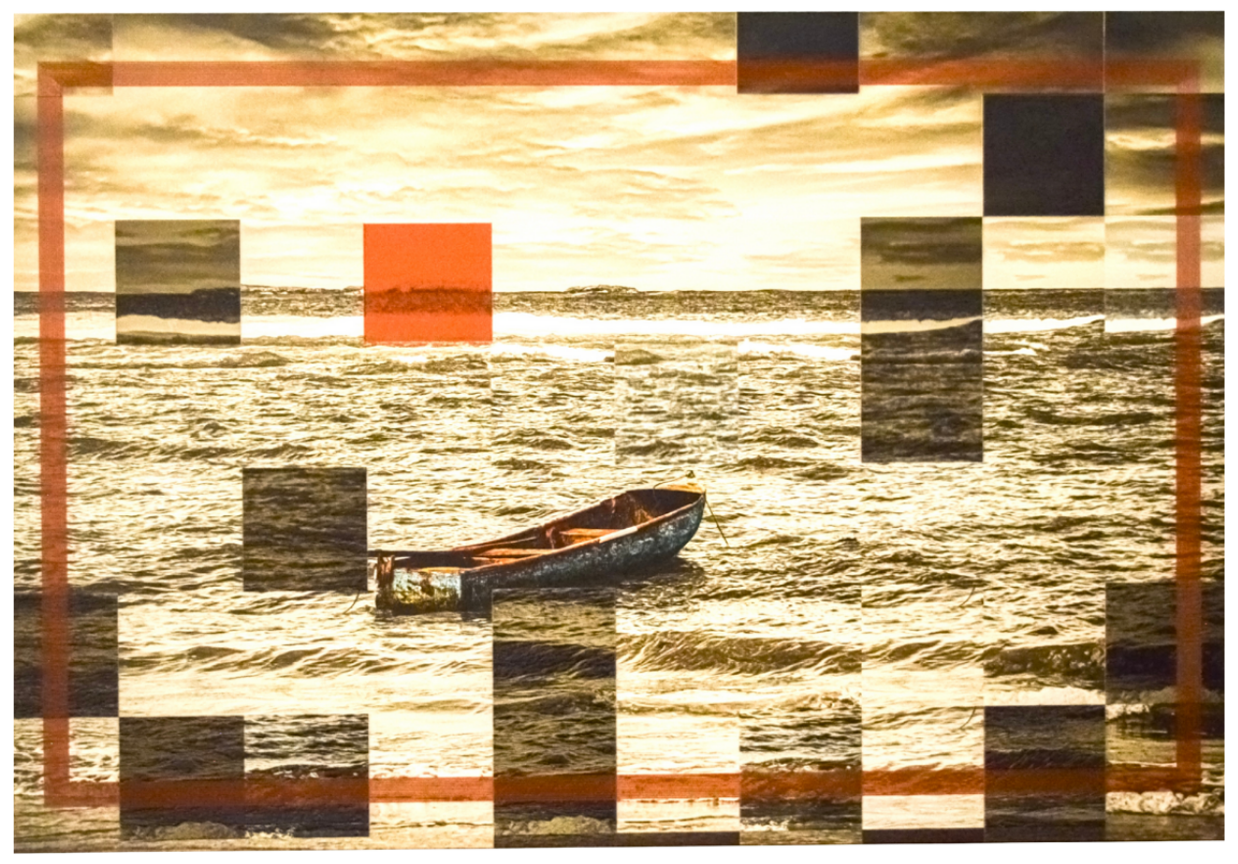
The works in this series invite reflection on human intervention in nature. Organic forms are intersected by geometry: sharp, precise shapes that symbolize control and technical rationality. Within this altered universe, the landscape loses its harmony; lines and rectangles do not blend with the environment—they fracture it.
Nature Interrupted does not seek to provide answers, but rather to create a rupture in perception. Confronted with these images, the viewer faces the duality between the beauty of pure forms and the melancholy of an altered ecosystem.
These works remind us that human beings are not separate from nature. Every intervention in the landscape is also an intervention upon ourselves.
Human spaces & human things
The works in this series reflect on the human imprint left on spaces of transit and everyday objects. In impersonal places - airports, stations, empty corridors—the fleeting and the anonymous are transformed into silent testimonies of presence.
An empty seat, a forgotten garment, or a mark on a wall can reveal traces of human memory amid the neutrality of the surroundings. These images function as poetic fragments, connecting the transient with the permanent, absence with lived experience.
In each composition, objects cease to be merely utilitarian and become symbols. To inhabit the non-place is also an act of recognition: even within the impersonal, human presence always leaves a trace.
Tribute to Dora Maar
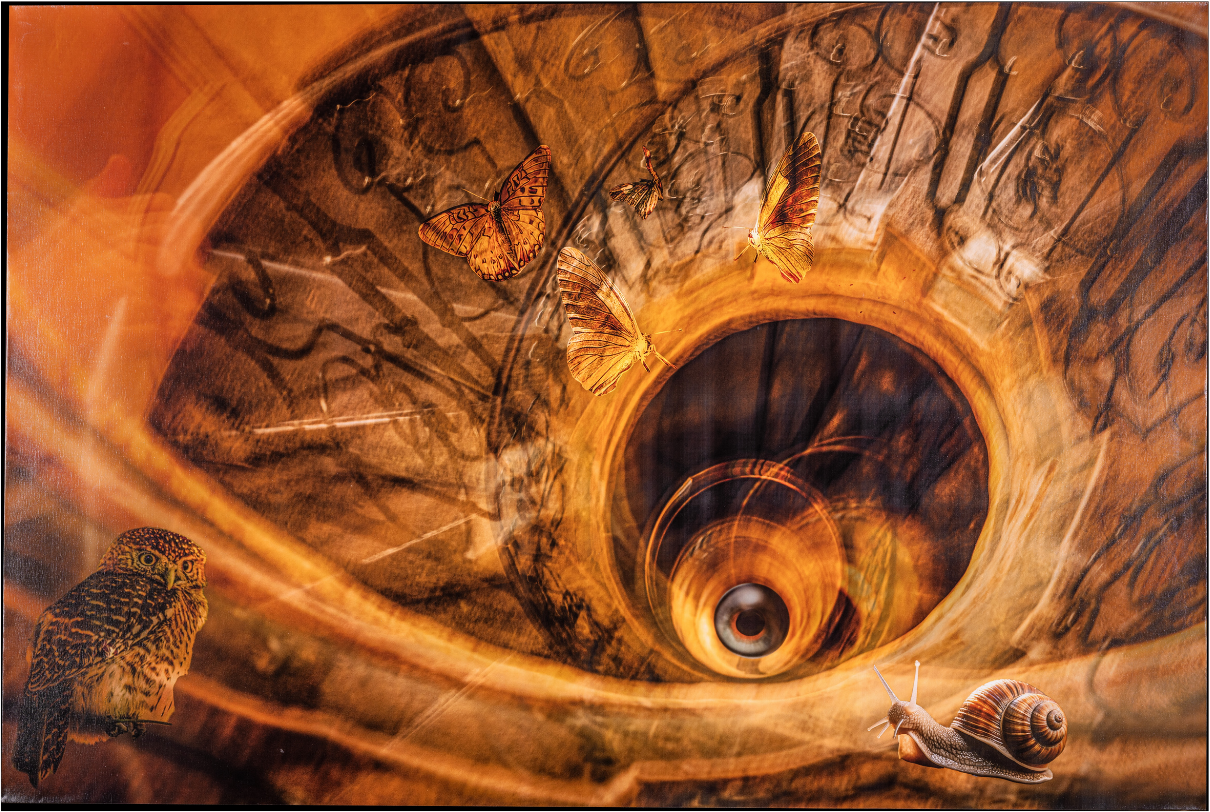
This work pays tribute to Dora Maar, a Surrealist artist whose vision transformed photography and photomontage into a language of the unconscious. Inspired by her poetic universe, the piece recreates a dreamlike space in which forms evoke ephemerality, wisdom, and patience. The spiral, recurring throughout the work as a symbolic element, represents the flow of thought and the transition between the real and the imaginary.
In this triptych, a fading hand emerges as a metaphor for the conscious mind attempting to hold on to reality, while an eye observes from the depths, guiding an inward journey toward the unknown.
The spiral staircase, deconstructed and suspended in space, functions as an allegory of that passage into the unconscious explored by the Surrealists.
Neocolonialism
Fugata in Blue
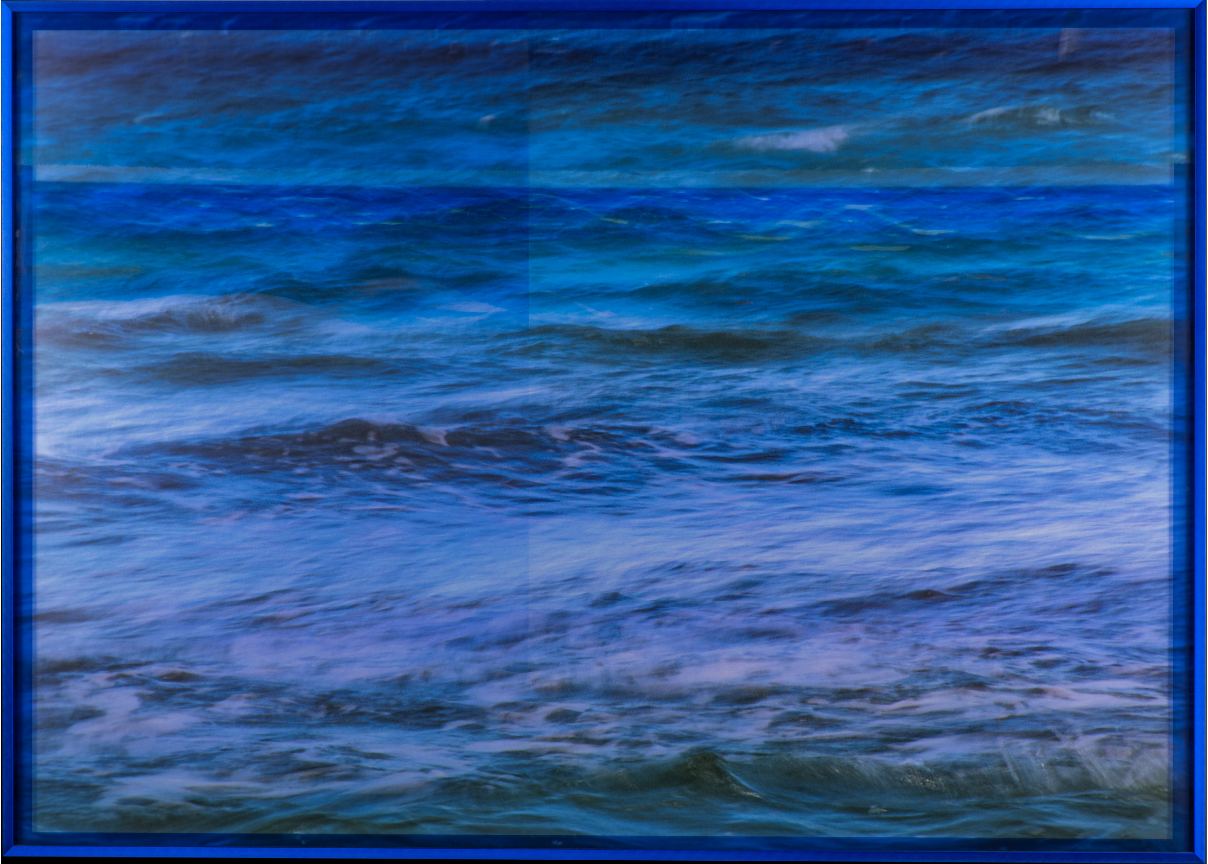
This work invites us to reflect on a sea that is disappearing before our eyes. Through human intervention, marine habitats are deteriorating and the natural balance is being disrupted.
Every action, however small it may seem, disturbs the life cycle of the beings that inhabit the ocean, creating a ripple of consequences that can lead to the extinction of entire species.
Our own existence, like that of these marine animals, is also at risk, since much of our survival depends on the balance of this ecosystem, which is slowly fading away.
The work is accompanied by a fragment of poetic prose and a speaker that plays marine sounds, recorded and specially adapted for this piece.
With an approximate duration of 20 hours per full charge, the sound surrounds the viewer and immerses them in a sensory experience intended to evoke both the serenity and the fragility of the ocean.
The Human Hive
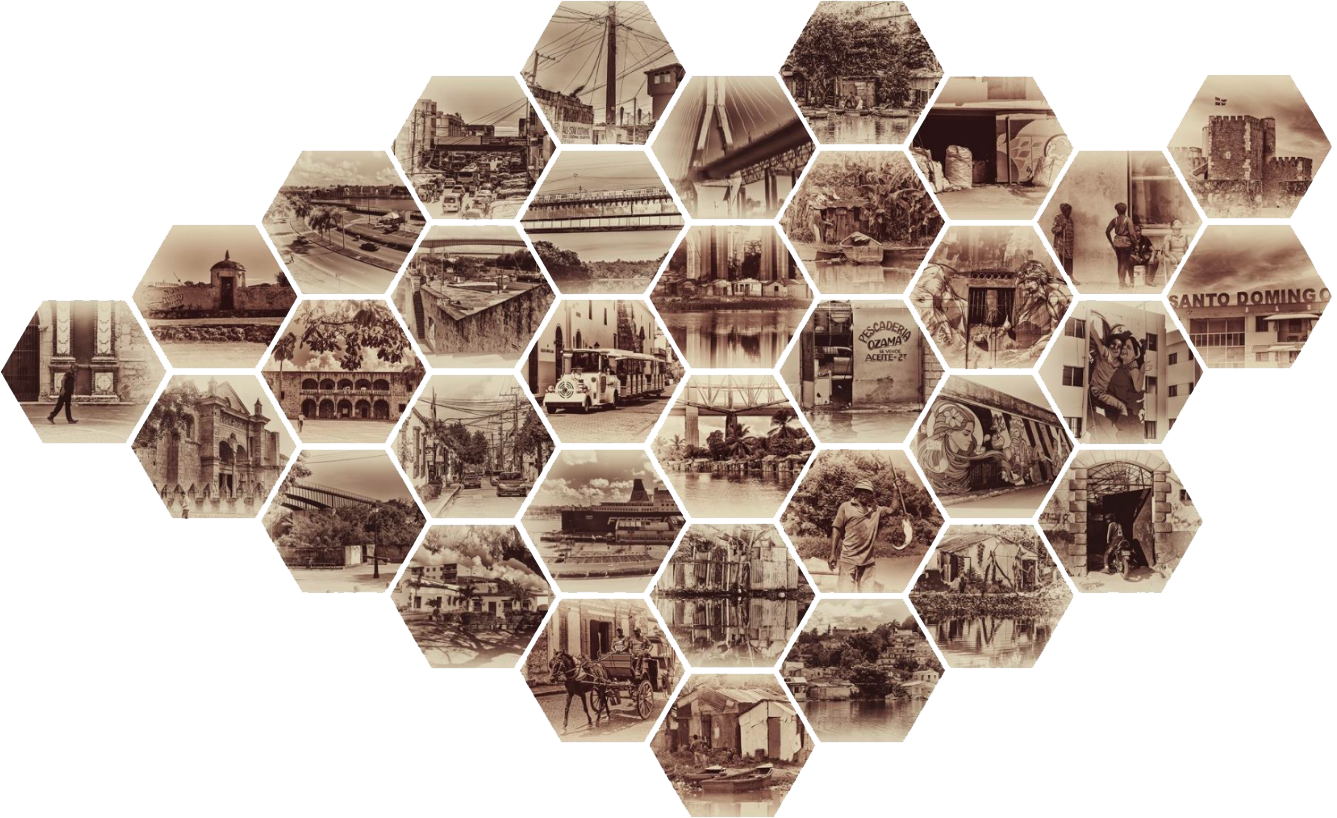
The Human Hive is an artistic project that seeks to spark conversations about the effects of gentrification on communities located along the banks of the Ozama River.
Through a range of images and perspectives, the work explores how urban development transforms the surrounding environment, alters local heritage, and can lead to the displacement of those who have traditionally inhabited these areas.
The project questions a vision of progress focused primarily on economic revaluation, inviting reflection on the importance of building cities that are more inclusive, sustainable, and attentive to the communities that give them life.
Eye Candy
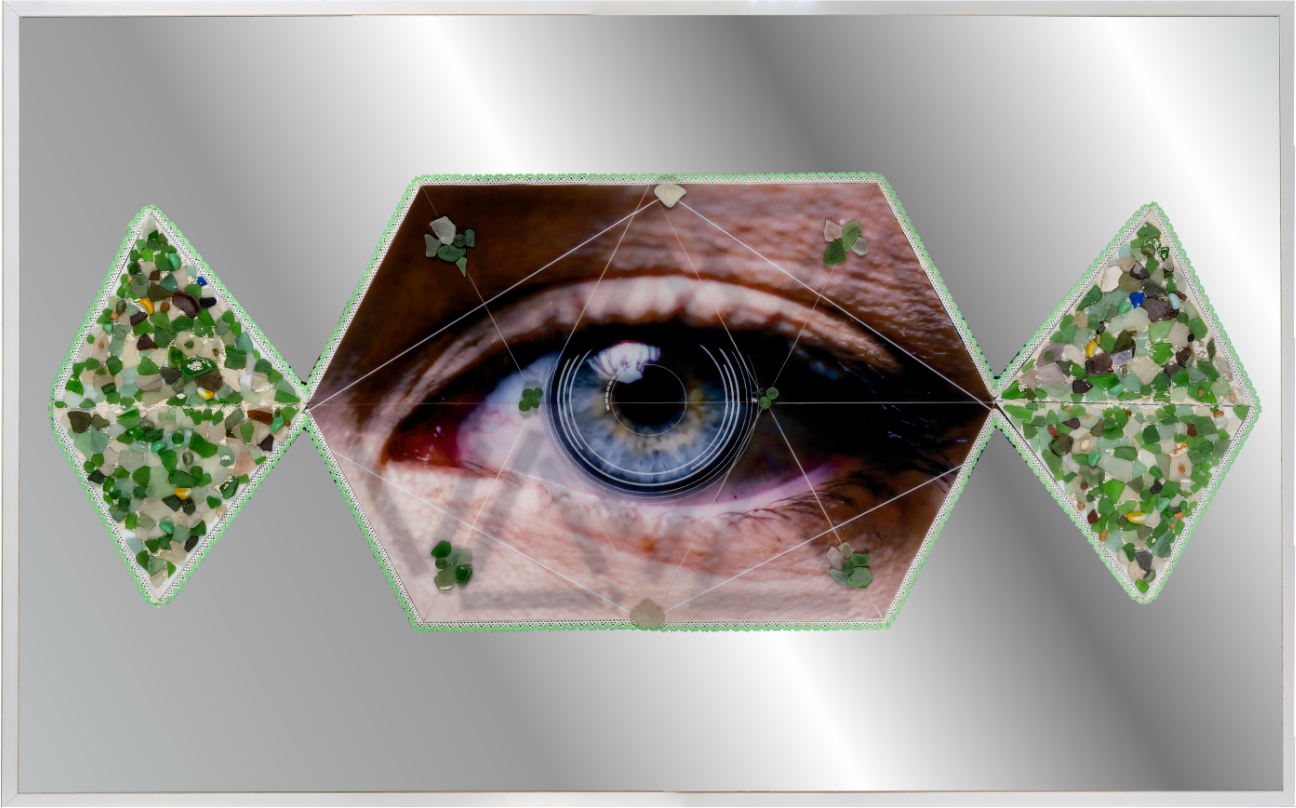
This work reflects on the allure of surface-level beauty in an era dominated by technology and artificial intelligence. Inspired by the idea of “eye candy,” it explores the tension between beauty and emptiness, between visual seduction and the loss of essence.
The triangle and the Eye of Providence, created with recycled materials and with the assistance of AI, symbolize revelation and surveillance. The human gaze merges with the digital eye: both observe, both control.
Mounted on a mirror, the piece invites us to recognize ourselves within this new era of technological omnipresence. To what extent are we still the ones looking, and to what extent are we being watched? This eye candy may also be poisoned candy.